
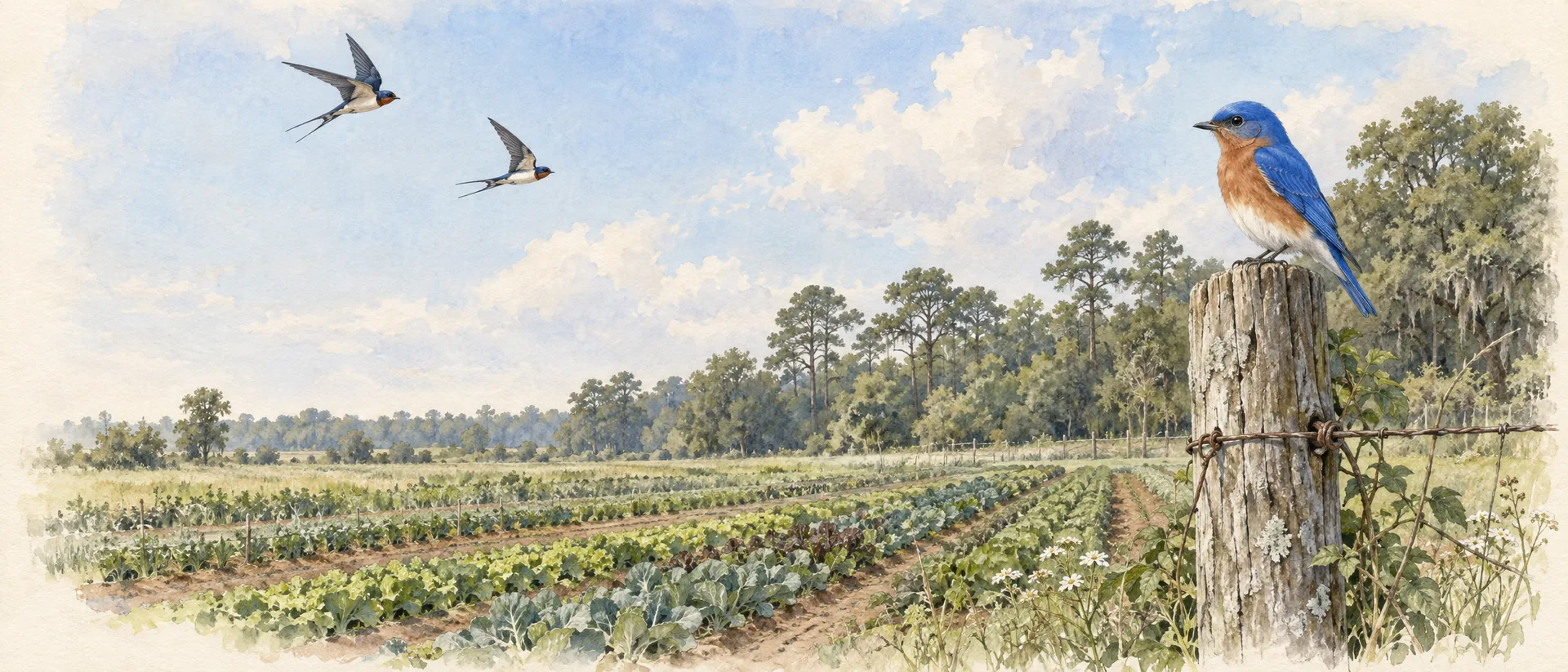
 A watercolour illustration
- Home
- More at the farm
- Birds Near the Farm
Birds Near the Farm
On the wing
Who's been seen around Irmo
Fields, fence rows and old trees make good bird country, and our family has always kept an eye on the sky. Here is what local birdwatchers have been reporting, along with a bird to look for today.
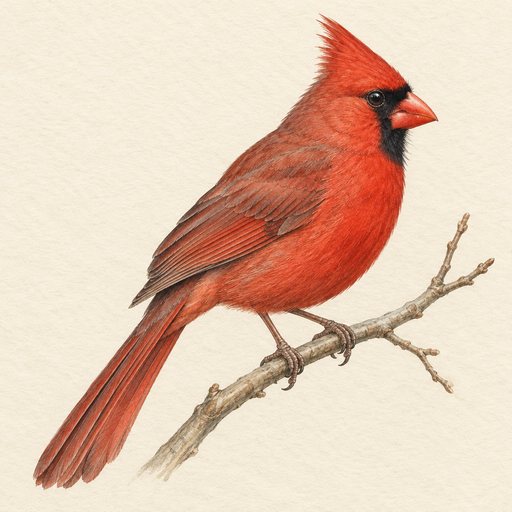 Bird of the dayMeet this bird →
species reported within about 10 miles of the stand in the last 3 days
Unusual for the area lately
Flagged by eBird as out of the ordinary, within about 25 miles in the last 5 days.
We could not reach the list of recent sightings just now. The field guide below still works, and you can see what is being reported on eBird for Richland County.
A painted field guide
90 birds of farm and lake country
The birds you may meet around the Midlands, from the fence post to the pond, with a few rare visitors among them. Tap any bird for how to know it.
90painted birds48 here all year30 winter visitors12 summer visitors
None of the painted birds match that just now.
- Northern CardinalCardinalis cardinalisHere all year
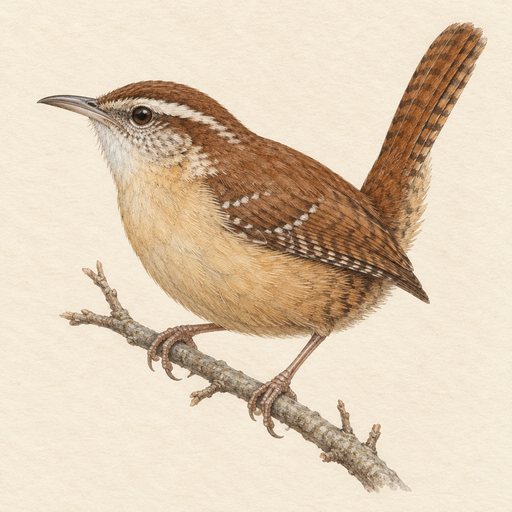 Carolina WrenThryothorus ludovicianusHere all year
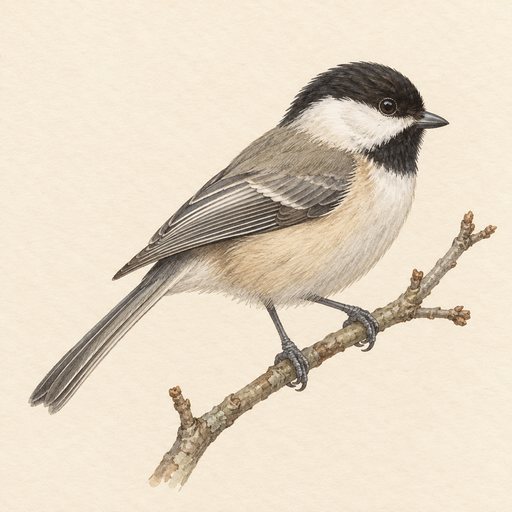 Carolina ChickadeePoecile carolinensisHere all year
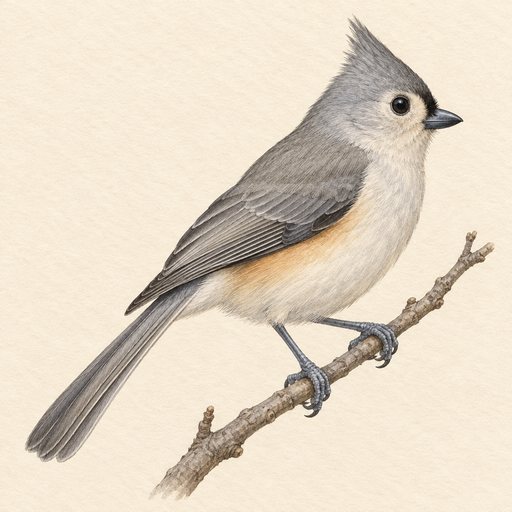 Tufted TitmouseBaeolophus bicolorHere all year
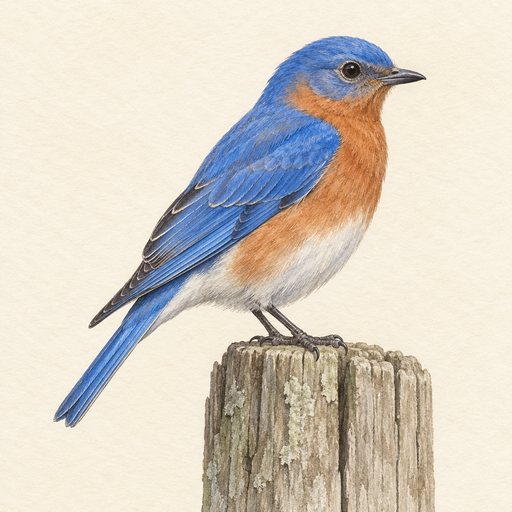 Eastern BluebirdSialia sialisHere all year
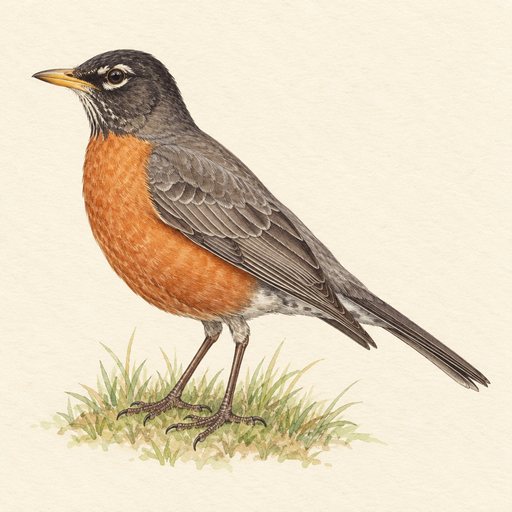 American RobinTurdus migratoriusHere all year
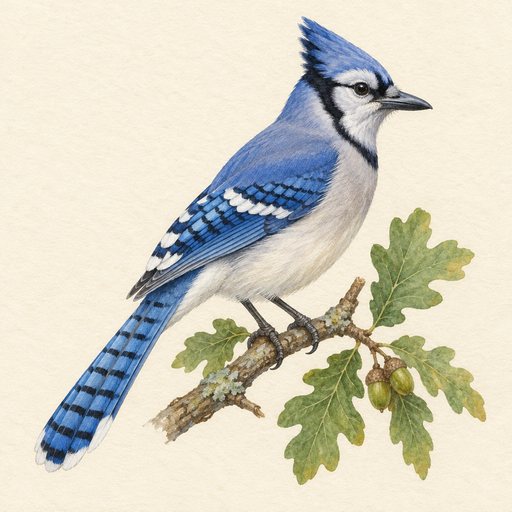 Blue JayCyanocitta cristataHere all year
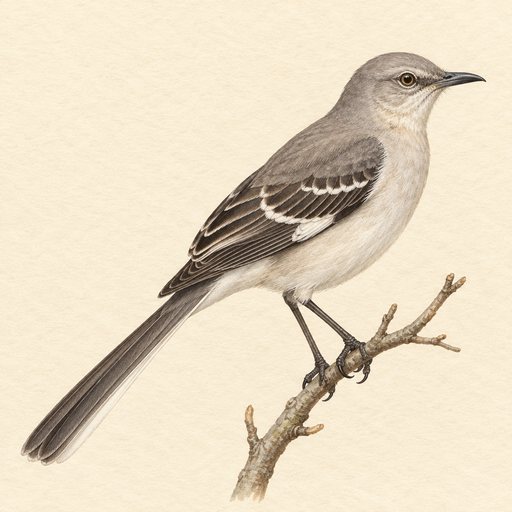 Northern MockingbirdMimus polyglottosHere all year
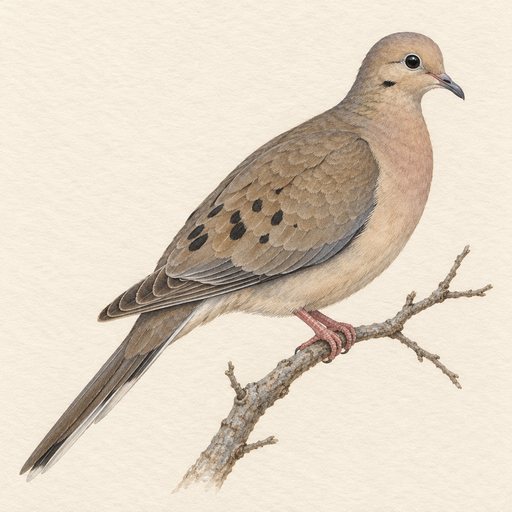 Mourning DoveZenaida macrouraHere all year
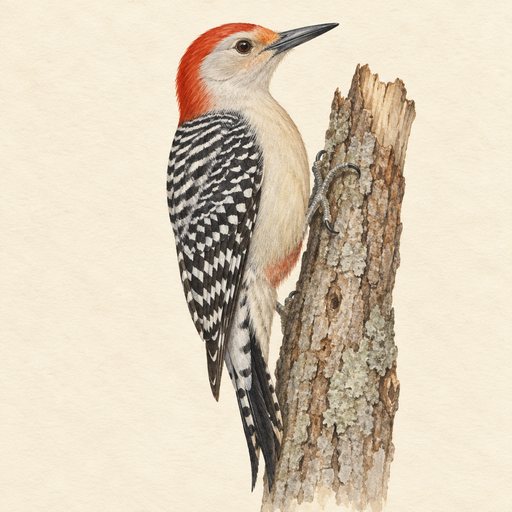 Red-bellied WoodpeckerMelanerpes carolinusHere all year
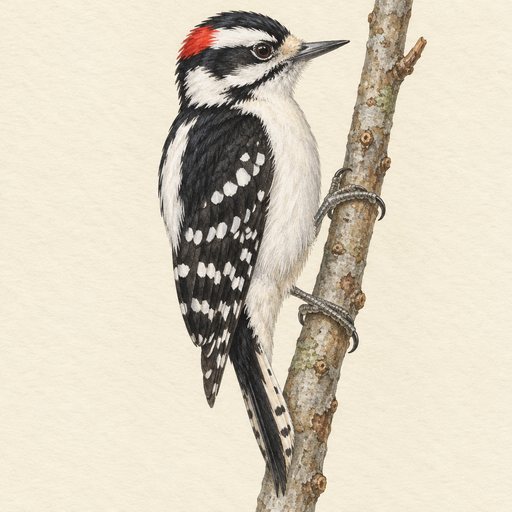 Downy WoodpeckerDryobates pubescensHere all year
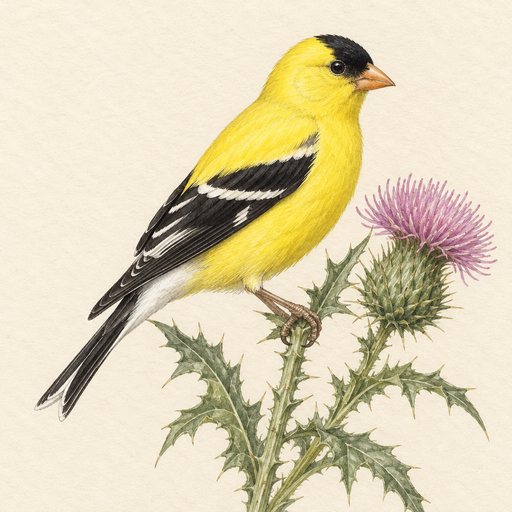 American GoldfinchSpinus tristisHere all year
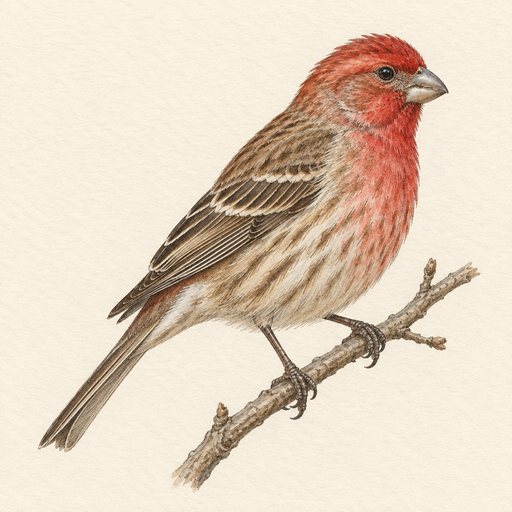 House FinchHaemorhous mexicanusHere all year
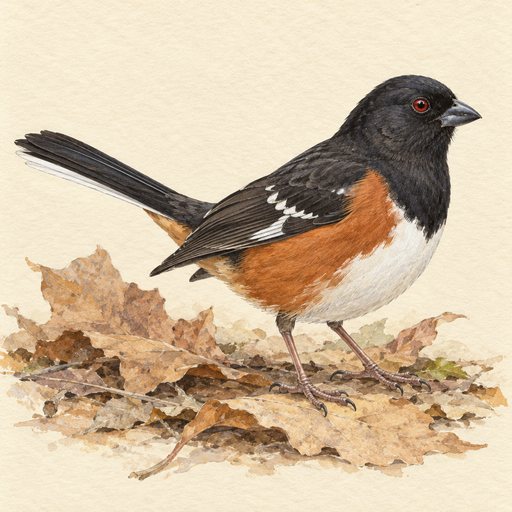 Eastern TowheePipilo erythrophthalmusHere all year
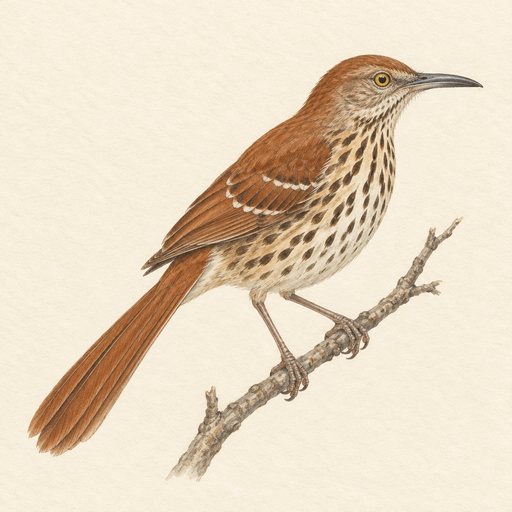 Brown ThrasherToxostoma rufumHere all year
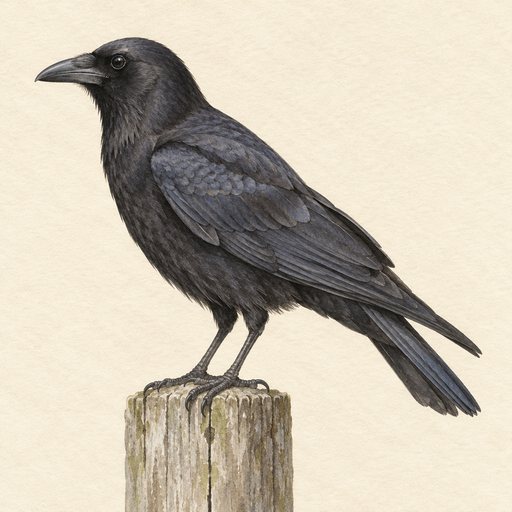 American CrowCorvus brachyrhynchosHere all year
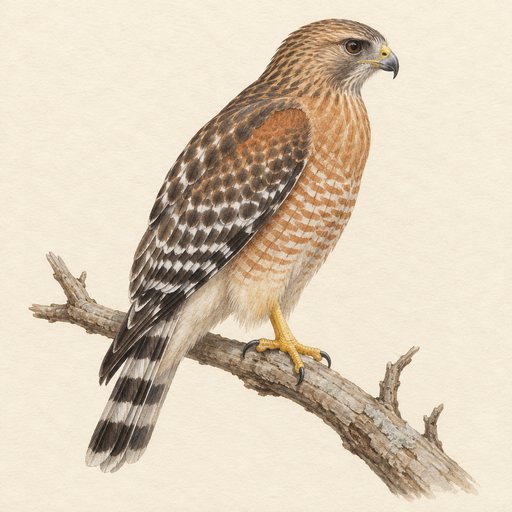 Red-shouldered HawkButeo lineatusHere all year
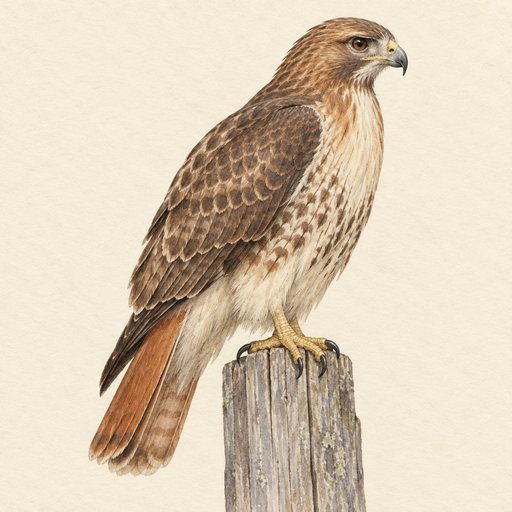 Red-tailed HawkButeo jamaicensisHere all year
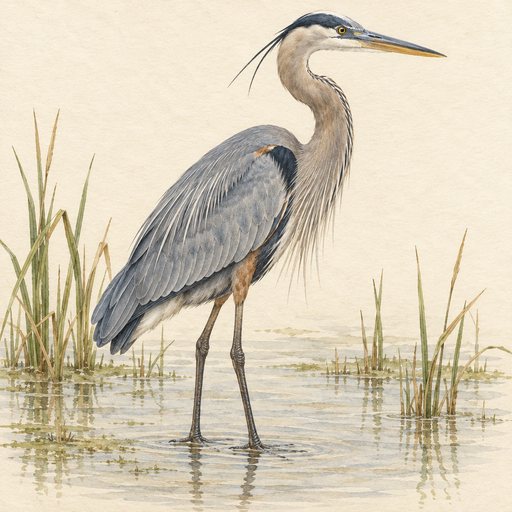 Great Blue HeronArdea herodiasHere all year
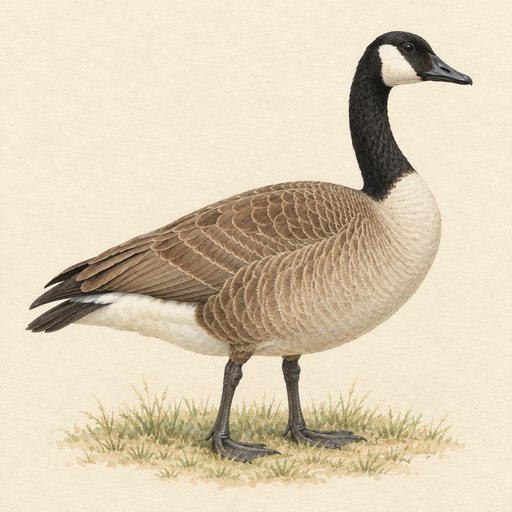 Canada GooseBranta canadensisHere all year
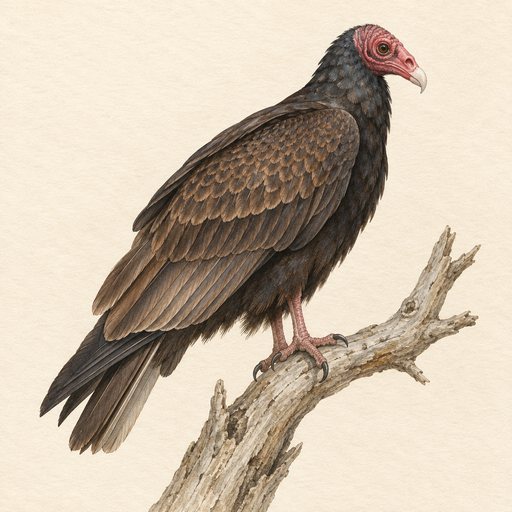 Turkey VultureCathartes auraHere all year
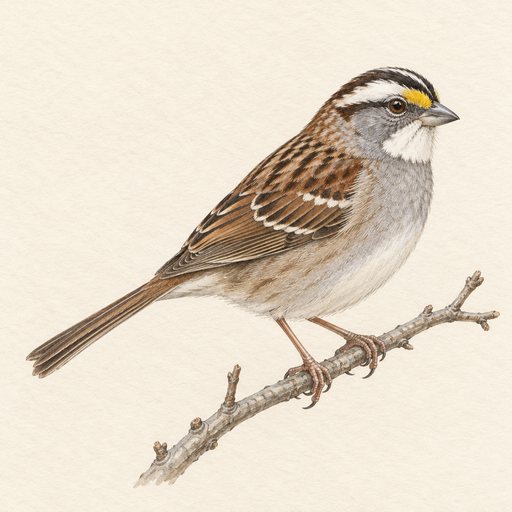 White-throated SparrowZonotrichia albicollisWinter visitor
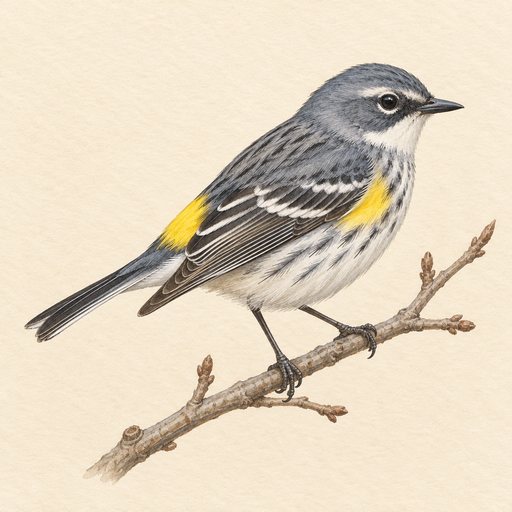 Yellow-rumped WarblerSetophaga coronataWinter visitor
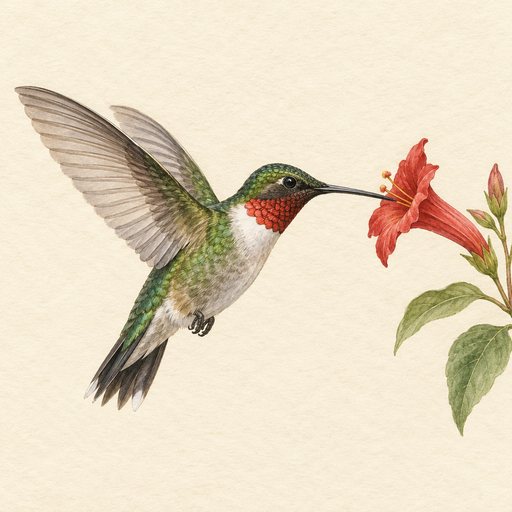 Ruby-throated HummingbirdArchilochus colubrisSummer visitor
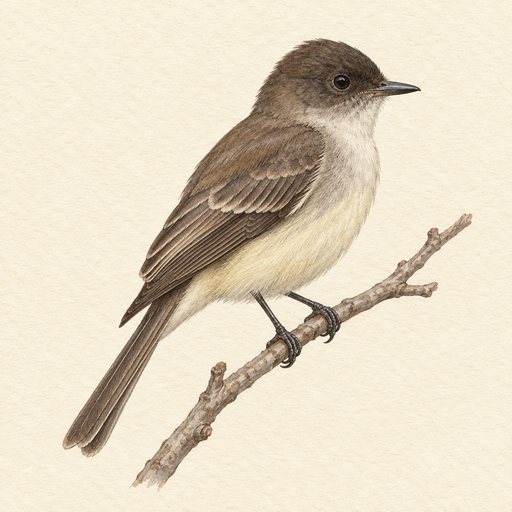 Eastern PhoebeSayornis phoebeHere all year
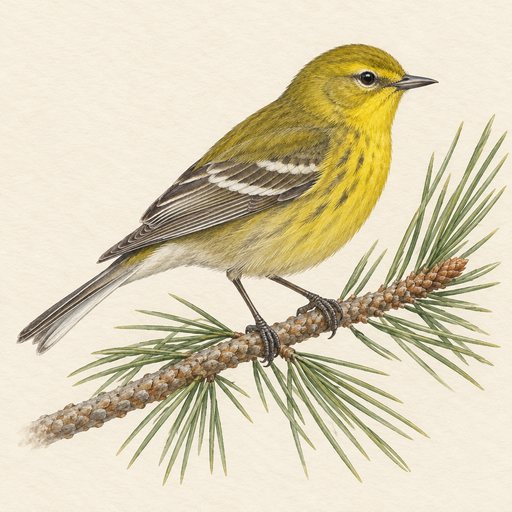 Pine WarblerSetophaga pinusHere all year
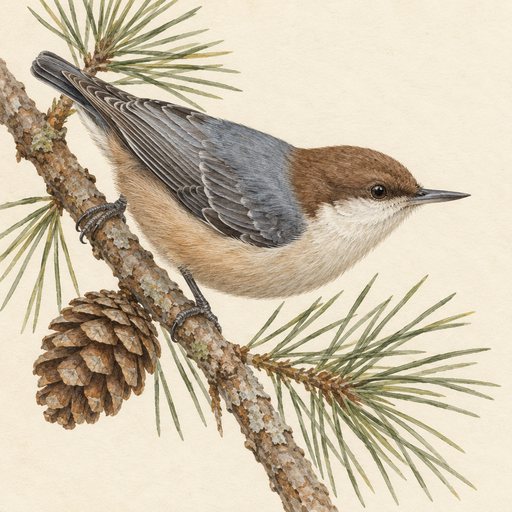 Brown-headed NuthatchSitta pusillaHere all year
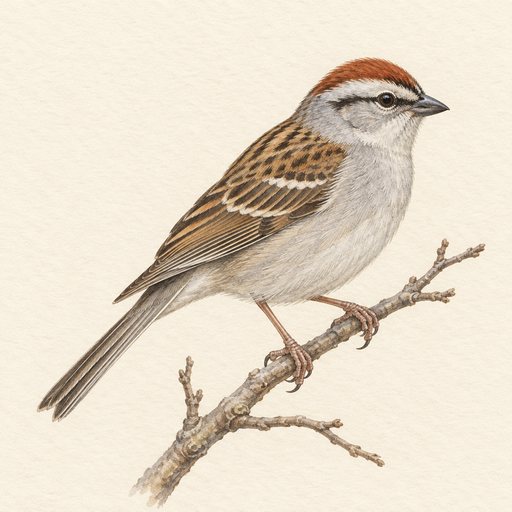 Chipping SparrowSpizella passerinaHere all year
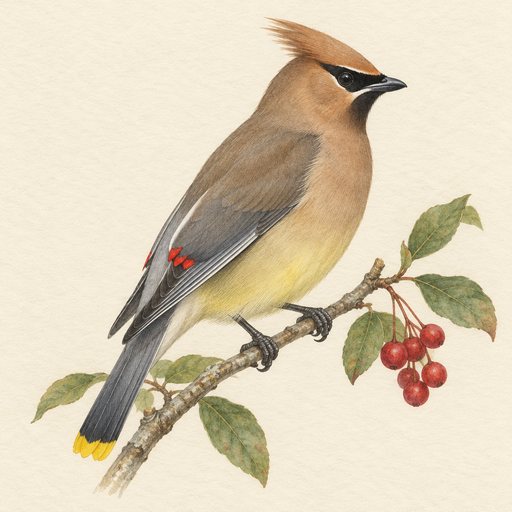 Cedar WaxwingBombycilla cedrorumWinter visitor
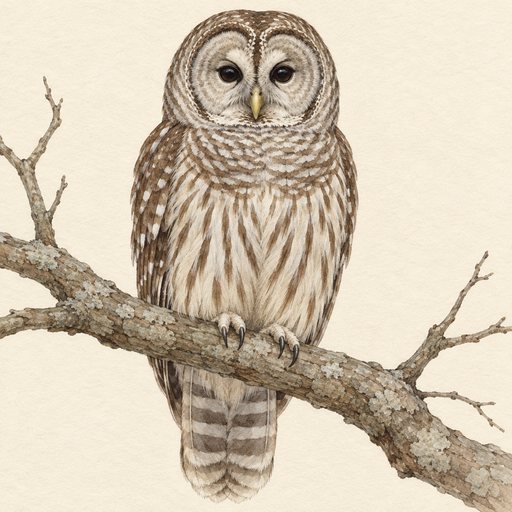 Barred OwlStrix variaHere all year
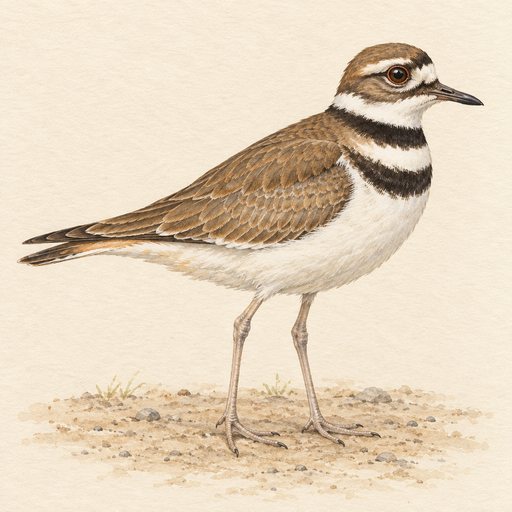 KilldeerCharadrius vociferusHere all year
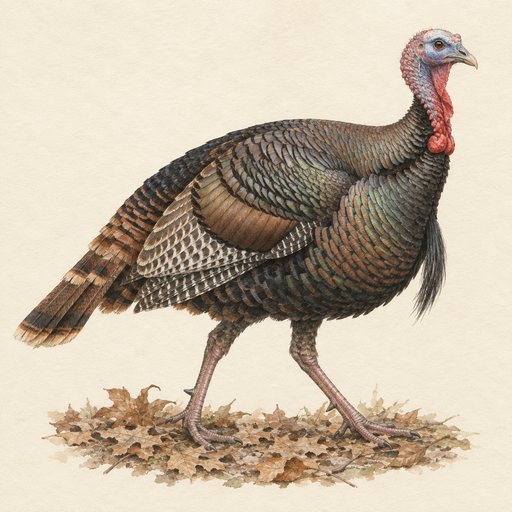 Wild TurkeyMeleagris gallopavoHere all year
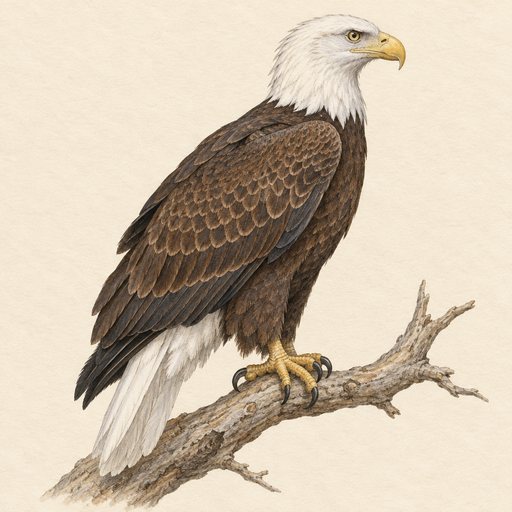 Bald EagleHaliaeetus leucocephalusHere all year
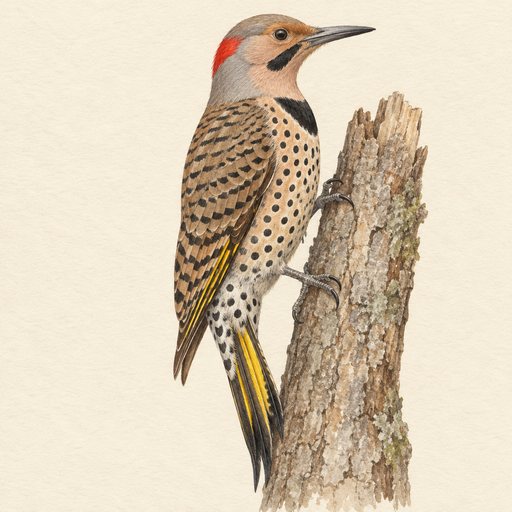 Northern FlickerColaptes auratusHere all year
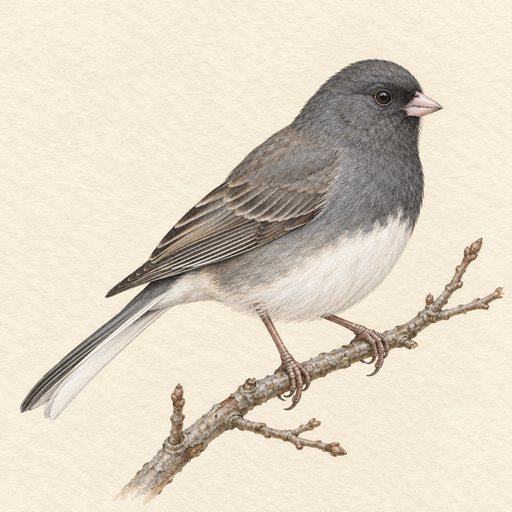 Dark-eyed JuncoJunco hyemalisWinter visitor
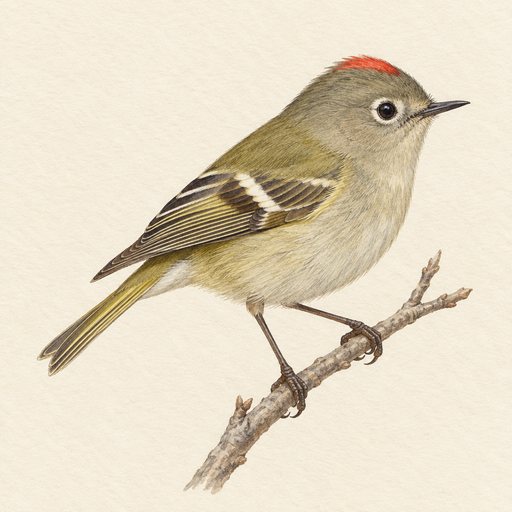 Ruby-crowned KingletCorthylio calendulaWinter visitor
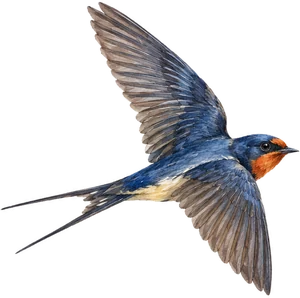
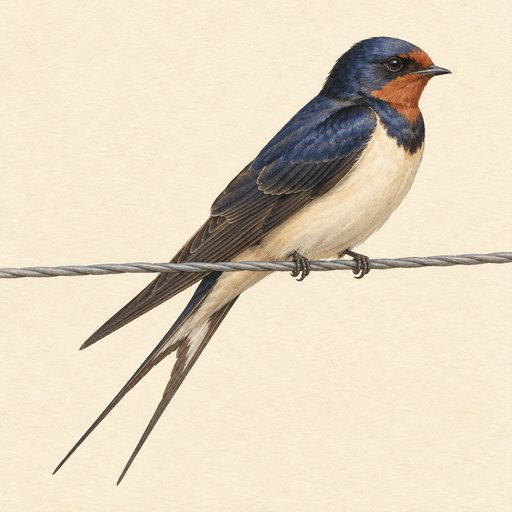 Barn SwallowHirundo rusticaSummer visitor
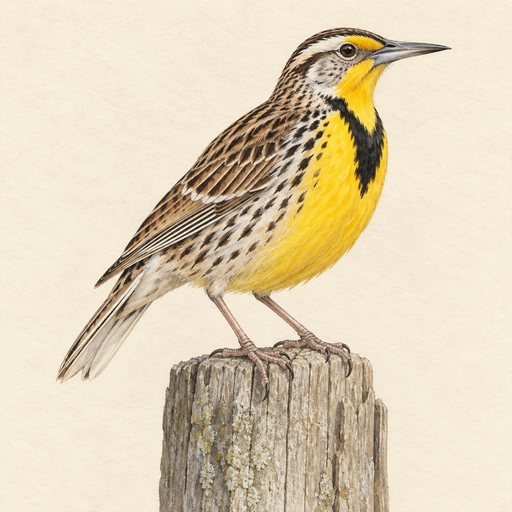 Eastern MeadowlarkSturnella magnaHere all year
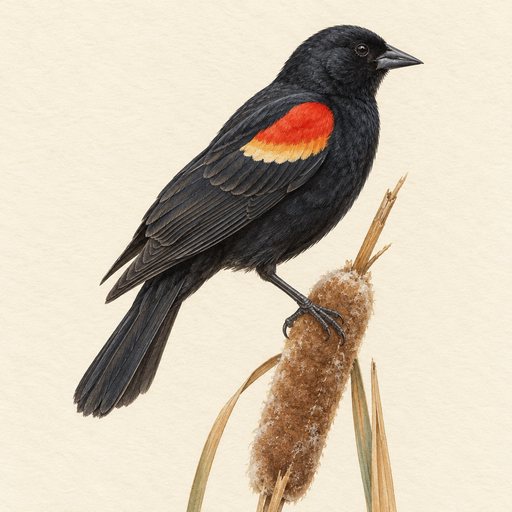 Red-winged BlackbirdAgelaius phoeniceusHere all year
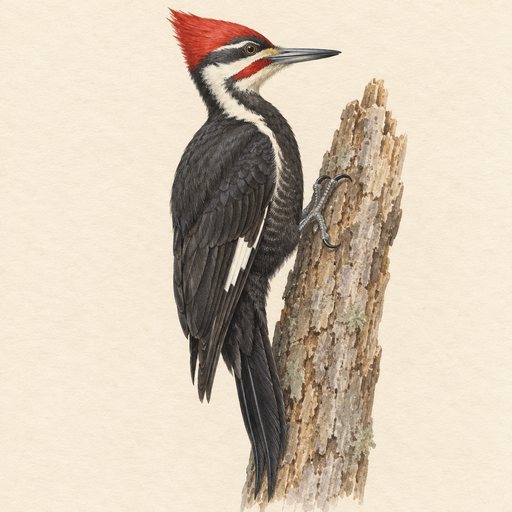 Pileated WoodpeckerDryocopus pileatusHere all year
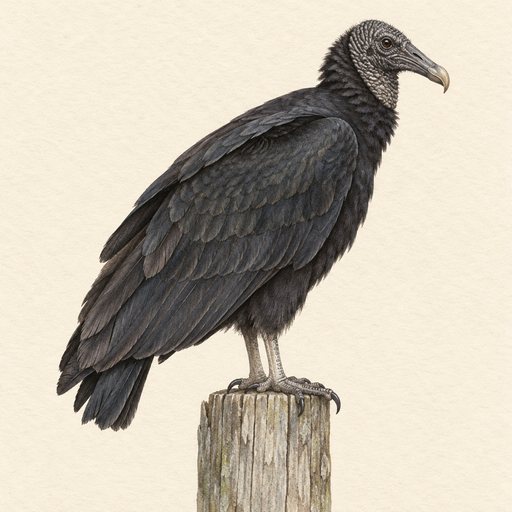 Black VultureCoragyps atratusHere all year
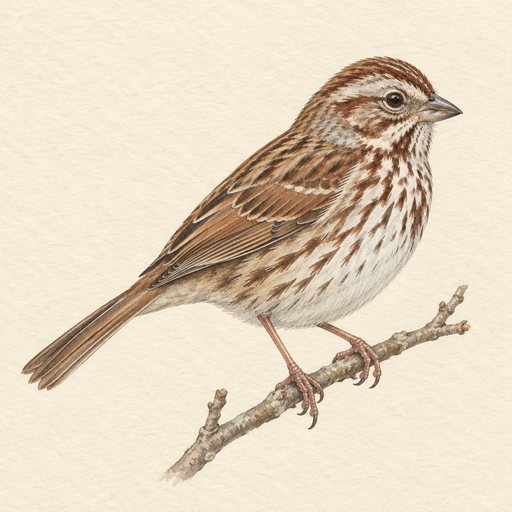 Song SparrowMelospiza melodiaWinter visitor
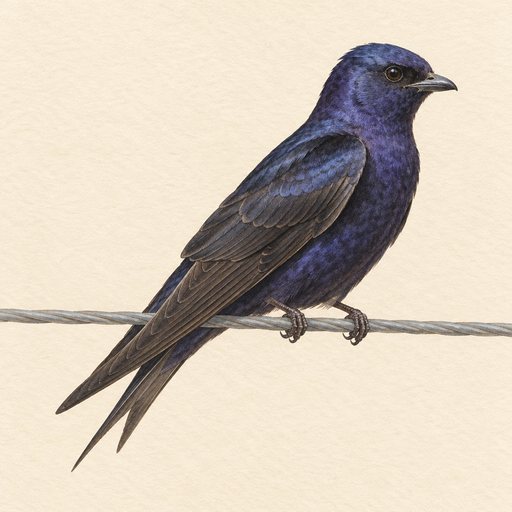 Purple MartinProgne subisSummer visitor
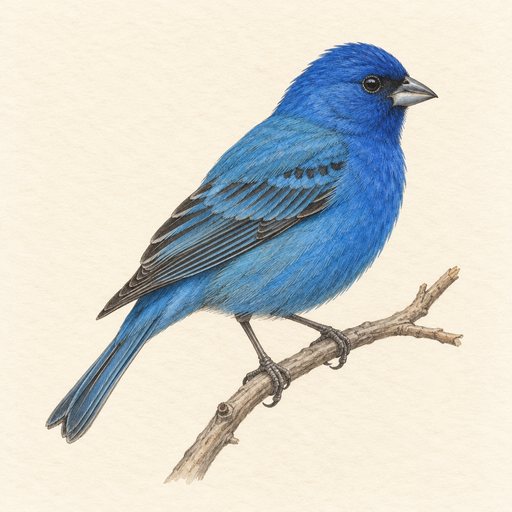 Indigo BuntingPasserina cyaneaSummer visitor
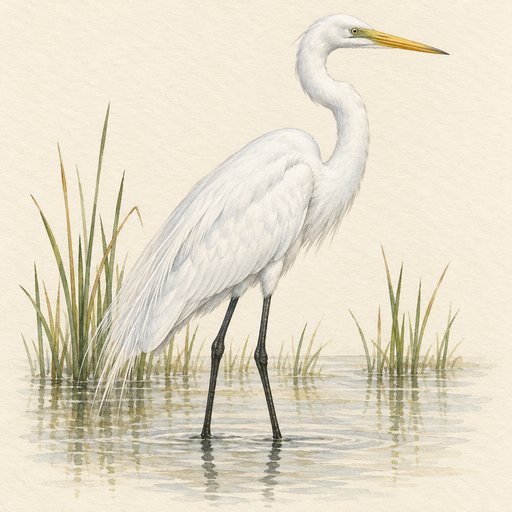 Great EgretArdea albaHere all year
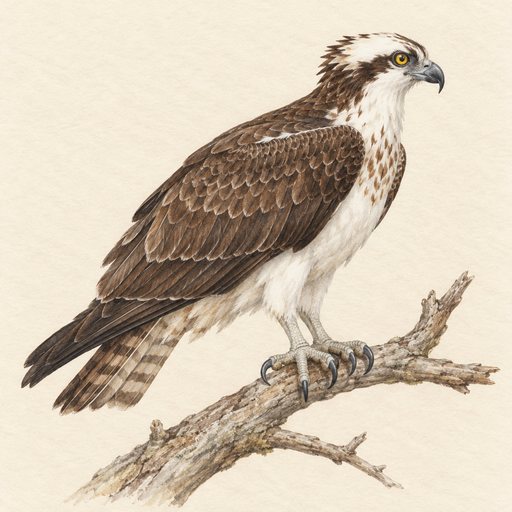 OspreyPandion haliaetusSummer visitor
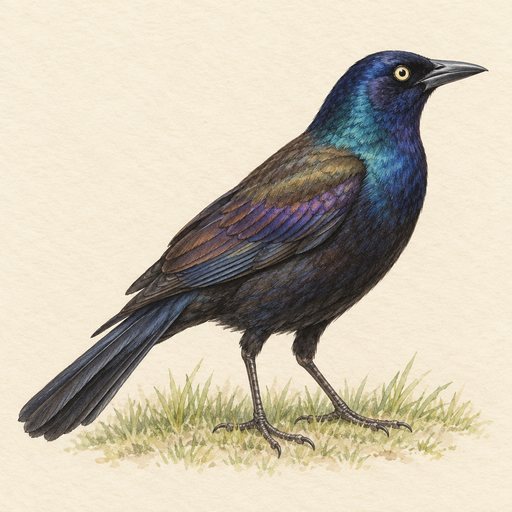 Common GrackleQuiscalus quisculaHere all year
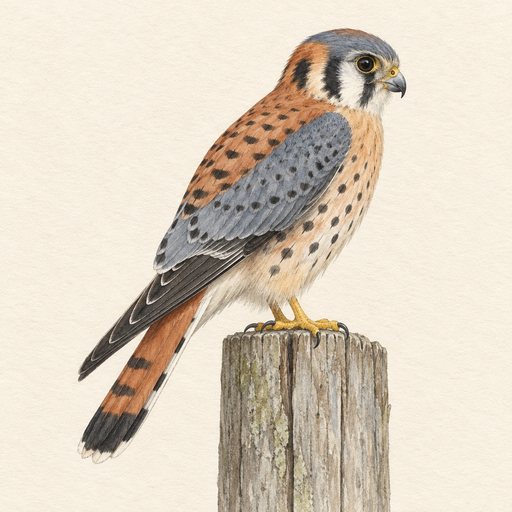 American KestrelFalco sparveriusWinter visitor
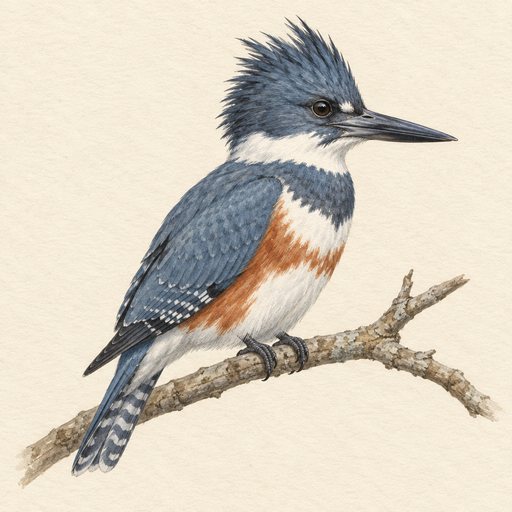 Belted KingfisherMegaceryle alcyonHere all year
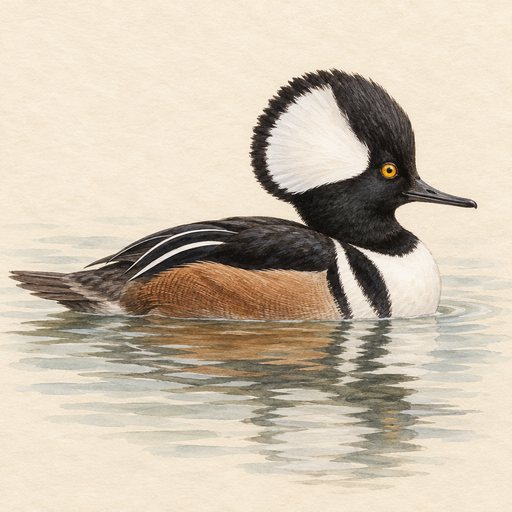 Hooded MerganserLophodytes cucullatusWinter visitor
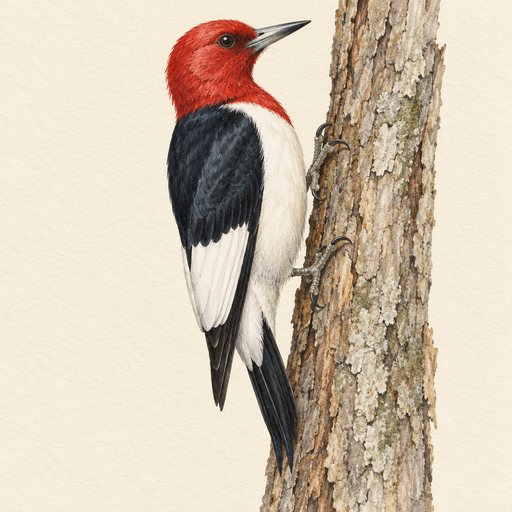 Red-headed WoodpeckerMelanerpes erythrocephalusHere all year
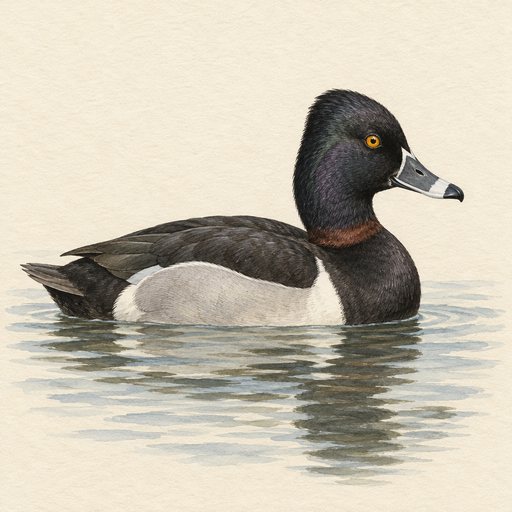 Ring-necked DuckAythya collarisWinter visitor
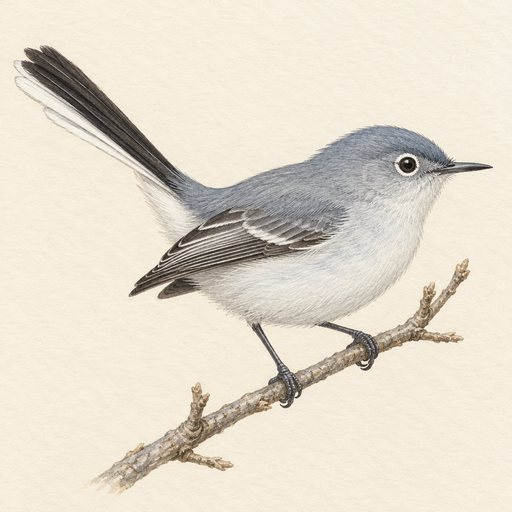 Blue-gray GnatcatcherPolioptila caeruleaSummer visitor
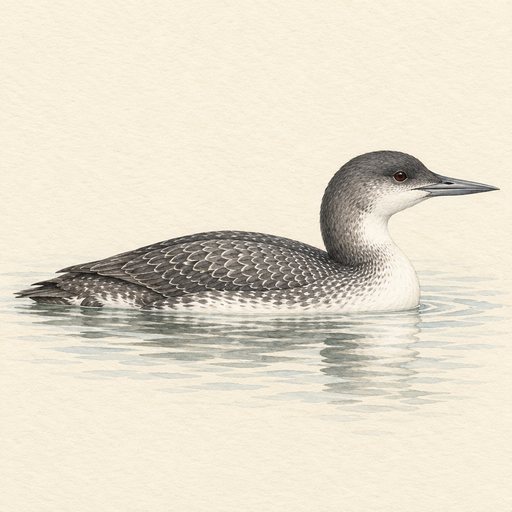 Common LoonGavia immerWinter visitor
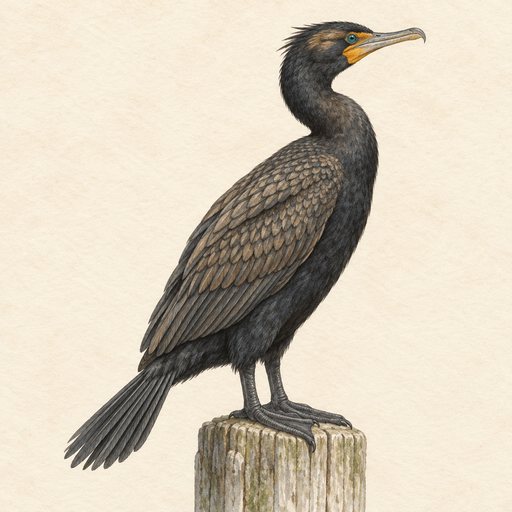 Double-crested CormorantNannopterum auritumHere all year
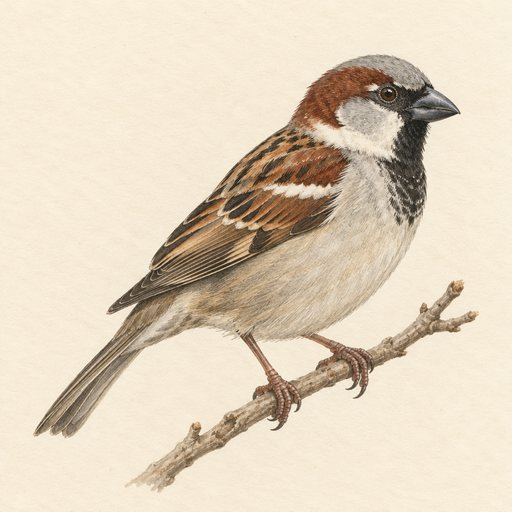 House SparrowPasser domesticusHere all year
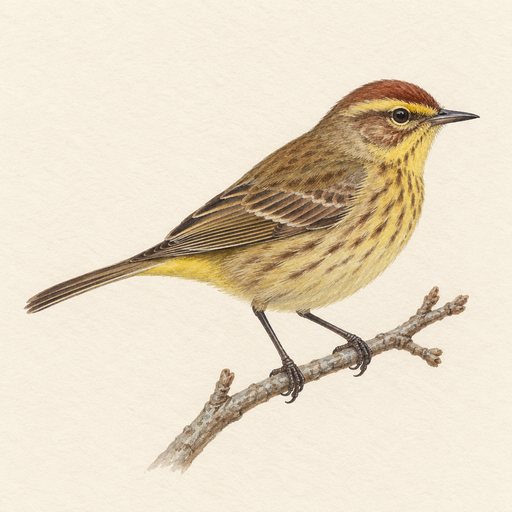 Palm WarblerSetophaga palmarumWinter visitor
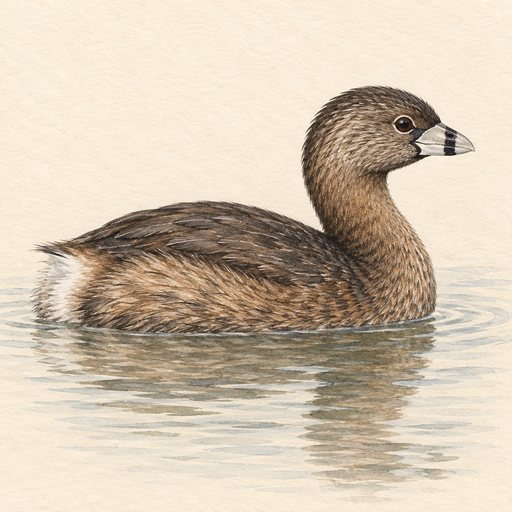 Pied-billed GrebePodilymbus podicepsWinter visitor
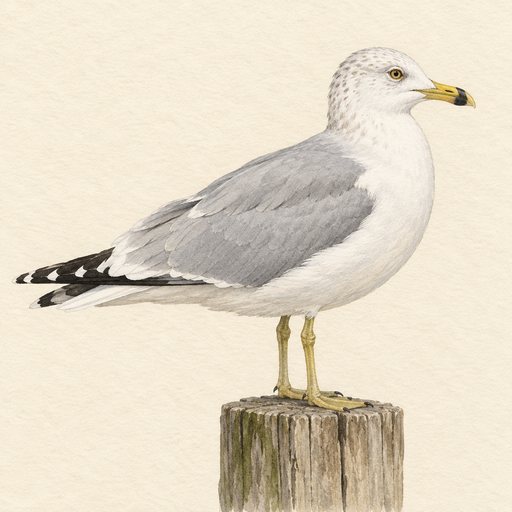 Ring-billed GullLarus delawarensisWinter visitor
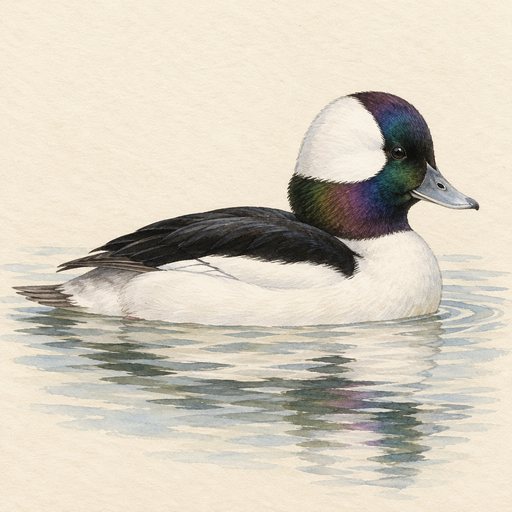 BuffleheadBucephala albeolaWinter visitor
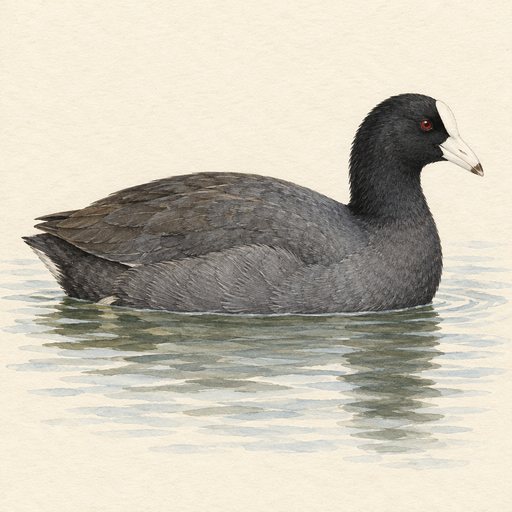 American CootFulica americanaWinter visitor
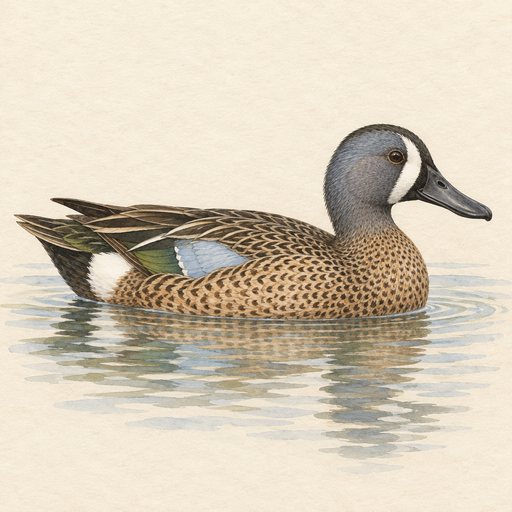 Blue-winged TealSpatula discorsWinter visitor
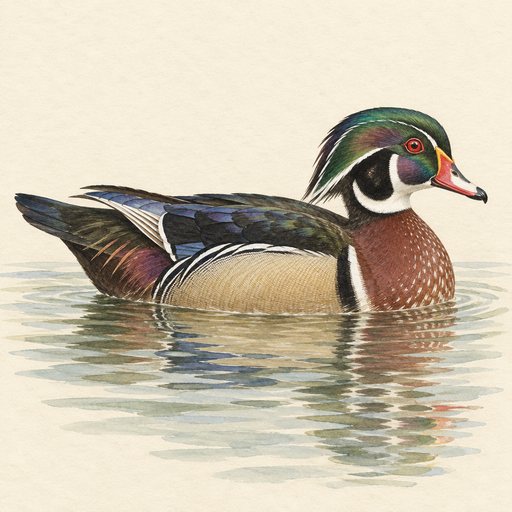 Wood DuckAix sponsaHere all year
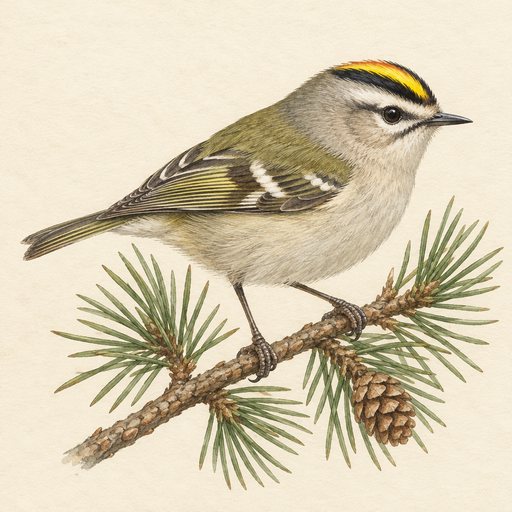 Golden-crowned KingletRegulus satrapaWinter visitor
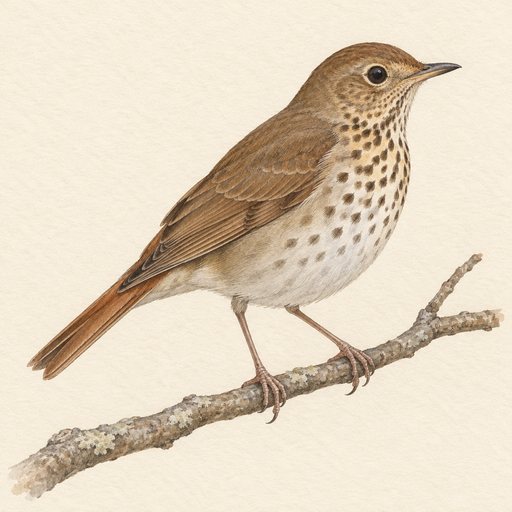 Hermit ThrushCatharus guttatusWinter visitor
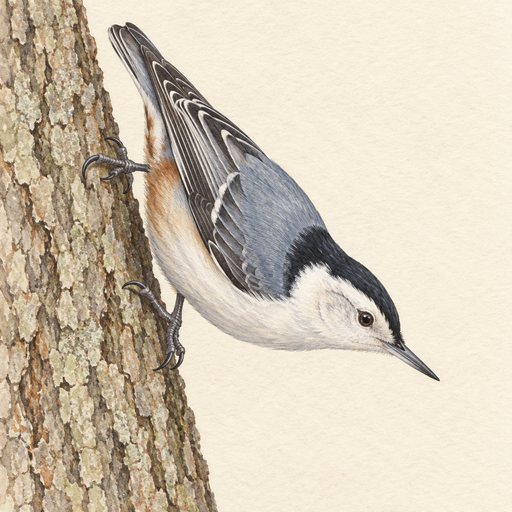 White-breasted NuthatchSitta carolinensisHere all year
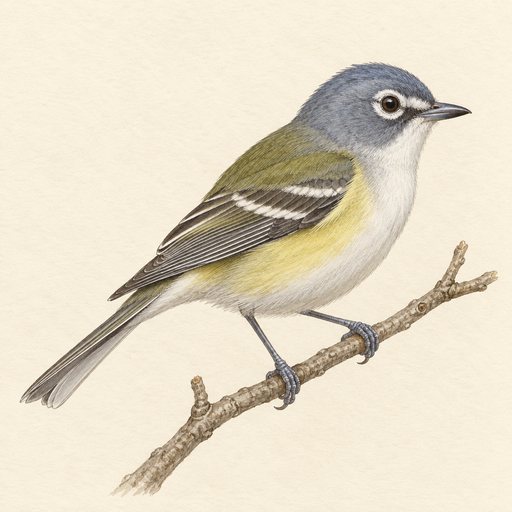 Blue-headed VireoVireo solitariusWinter visitor
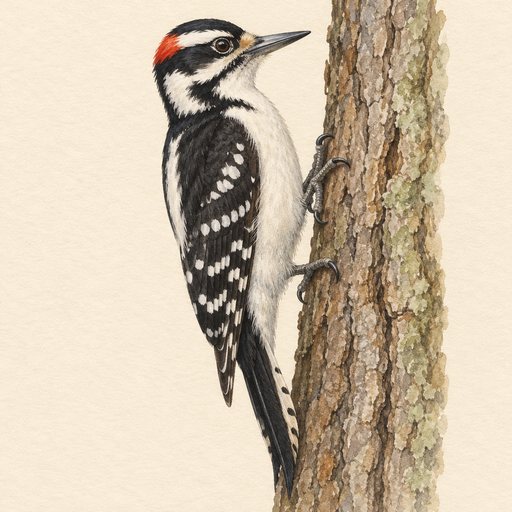 Hairy WoodpeckerDryobates villosusHere all year
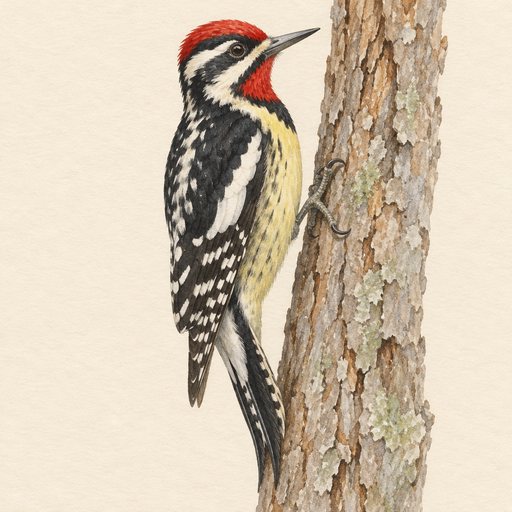 Yellow-bellied SapsuckerSphyrapicus variusWinter visitor
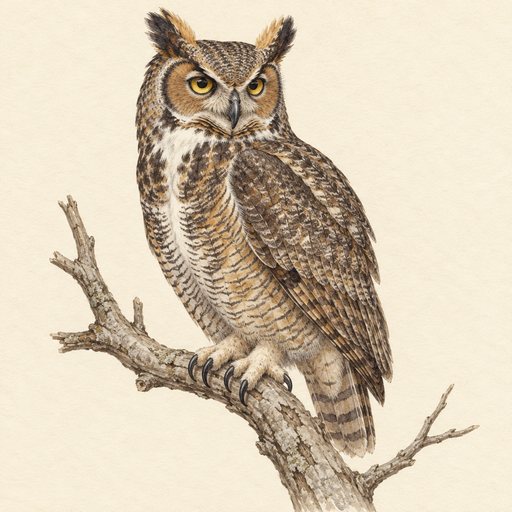 Great Horned OwlBubo virginianusHere all year
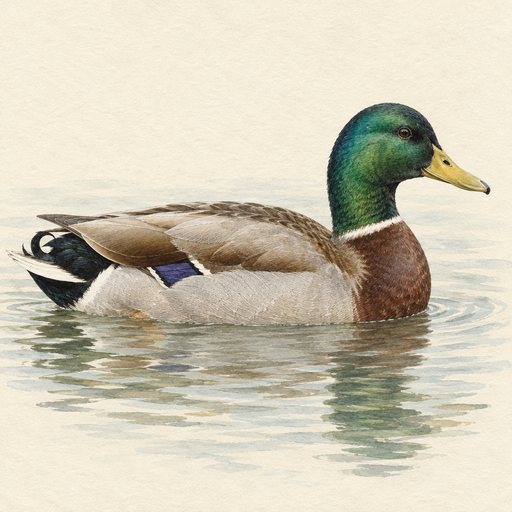 MallardAnas platyrhynchosHere all year
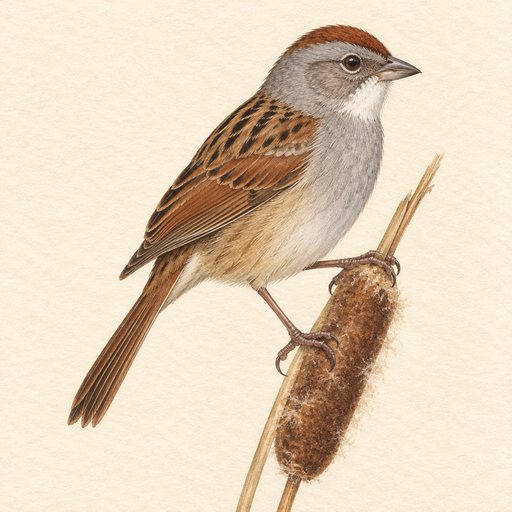 Swamp SparrowMelospiza georgianaWinter visitor
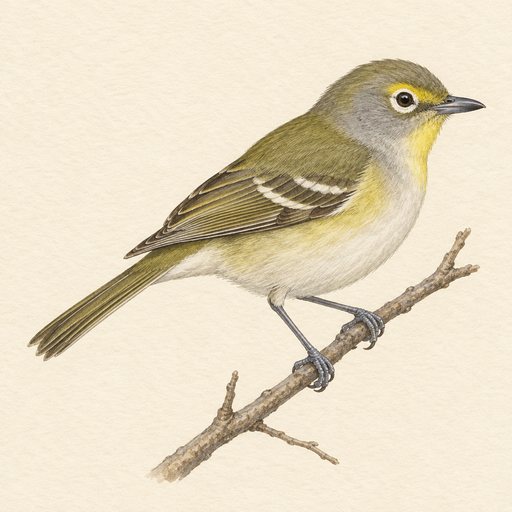 White-eyed VireoVireo griseusSummer visitor
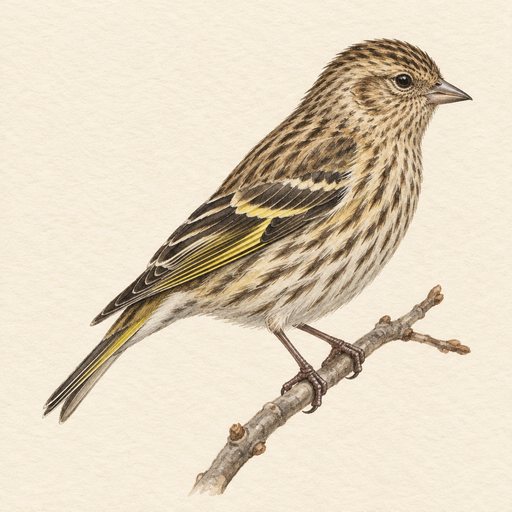 Pine SiskinSpinus pinusWinter visitor
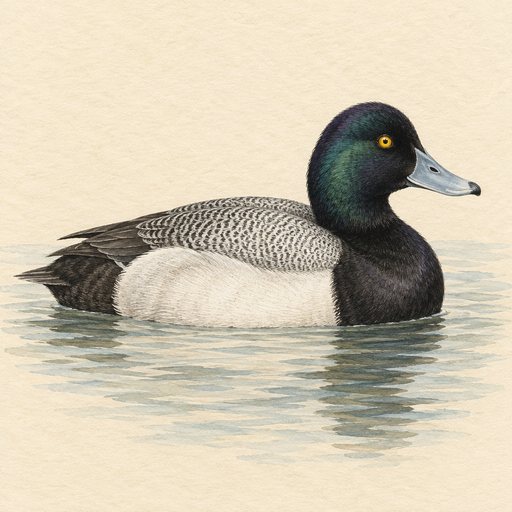 Lesser ScaupAythya affinisWinter visitor
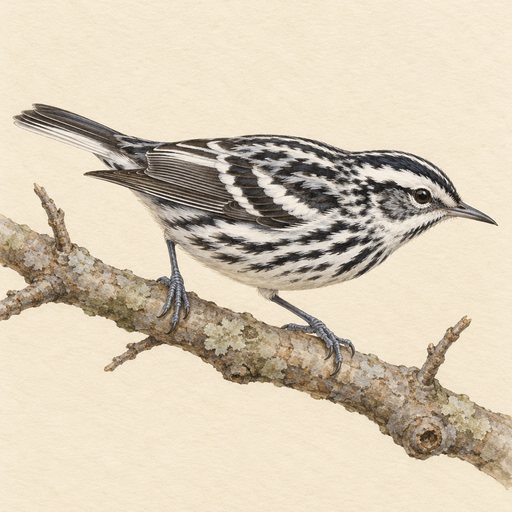 Black-and-white WarblerMniotilta variaSummer visitor
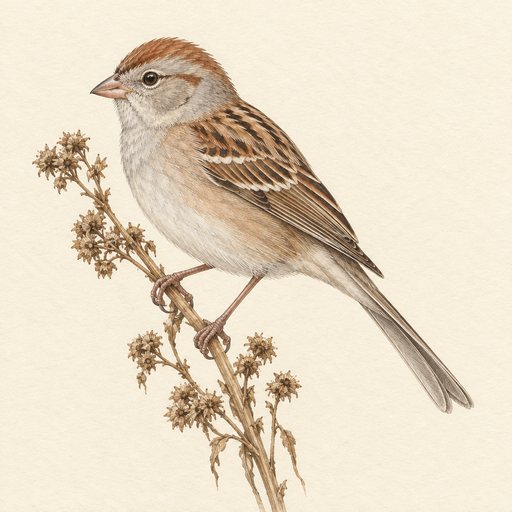 Field SparrowSpizella pusillaHere all year
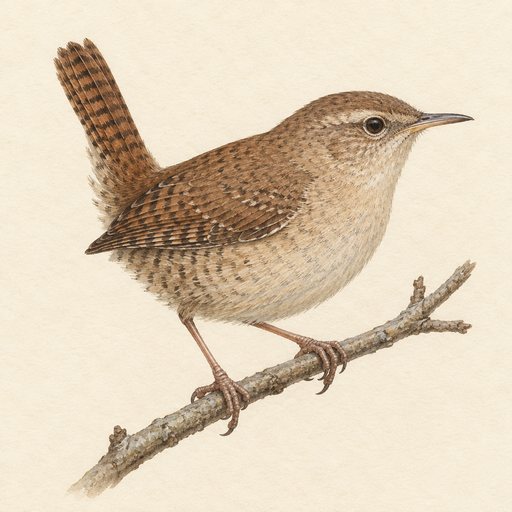 Northern House WrenTroglodytes aedonWinter visitor
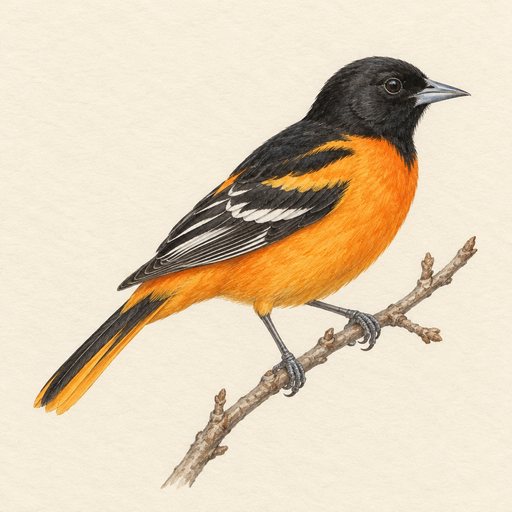 Baltimore OrioleIcterus galbulaWinter visitor
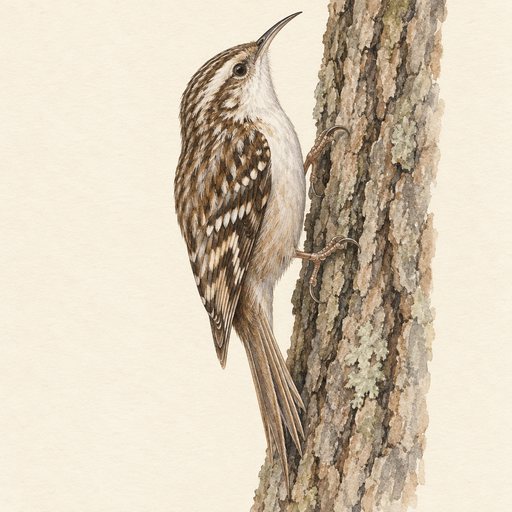 Brown CreeperCerthia americanaWinter visitor
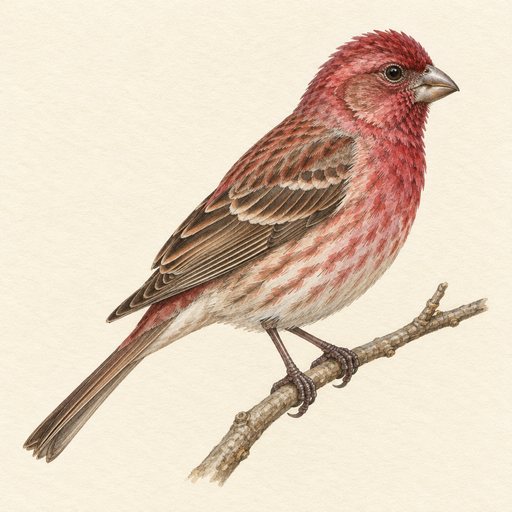 Purple FinchHaemorhous purpureusWinter visitor
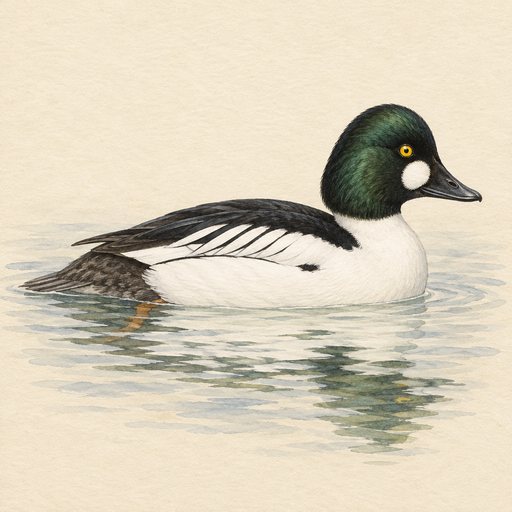 Common GoldeneyeBucephala clangulaWinter visitor
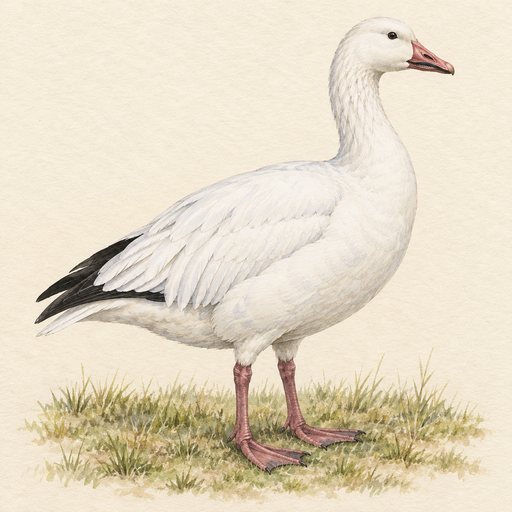 Snow GooseAnser caerulescensWinter visitor
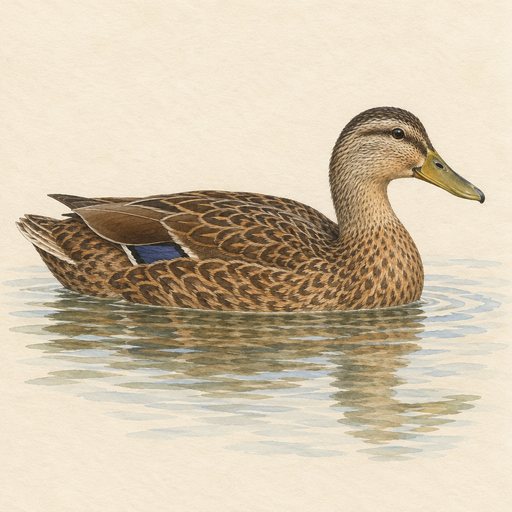 Mottled DuckAnas fulvigulaHere all year
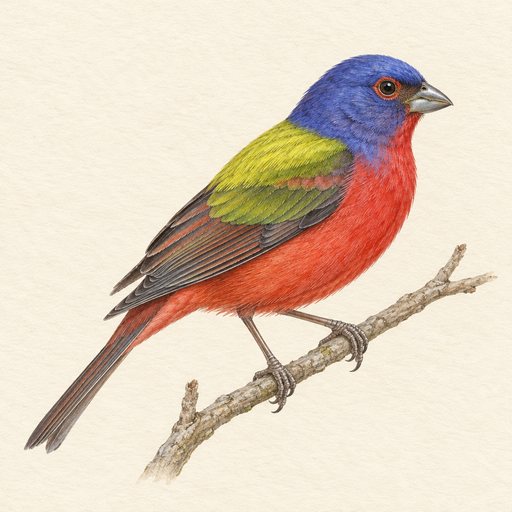 Painted BuntingPasserina cirisSummer visitor
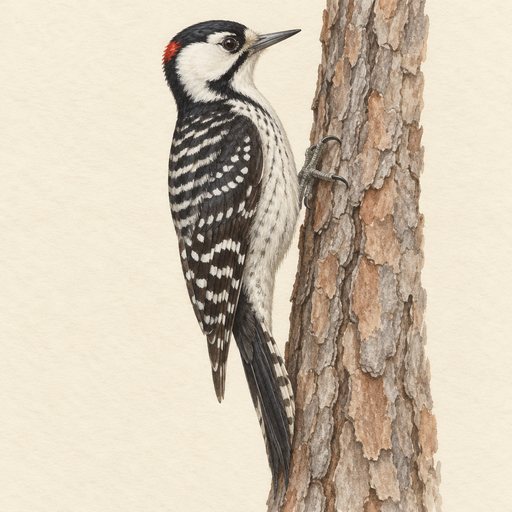 Red-cockaded WoodpeckerDryobates borealisHere all year
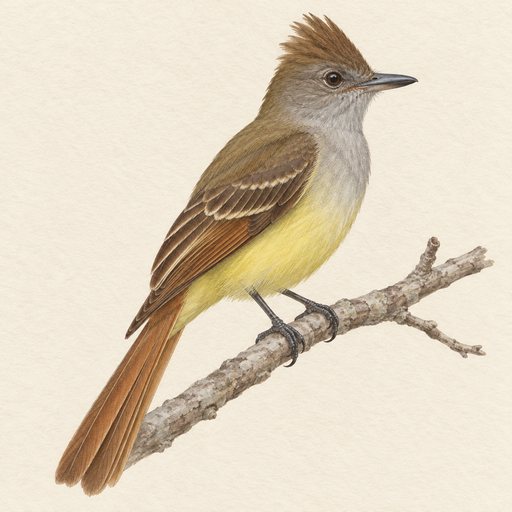 Great Crested FlycatcherMyiarchus crinitusSummer visitor
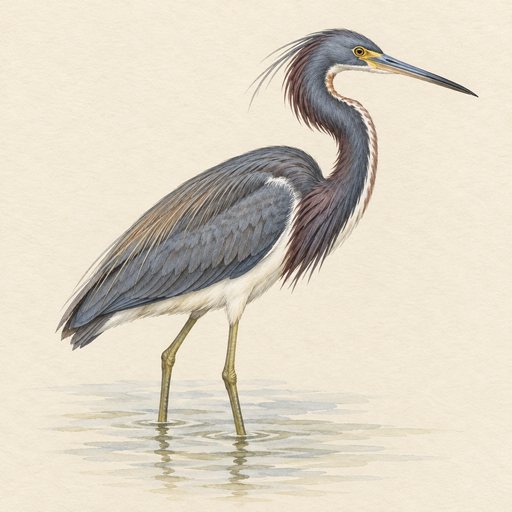 Tricolored HeronEgretta tricolorSummer visitor
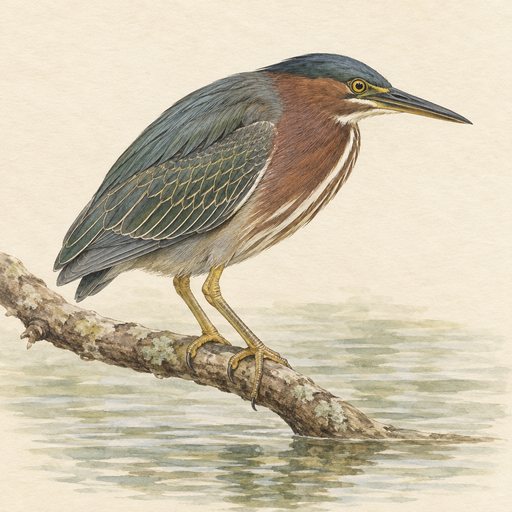 Green HeronButorides virescensSummer visitor
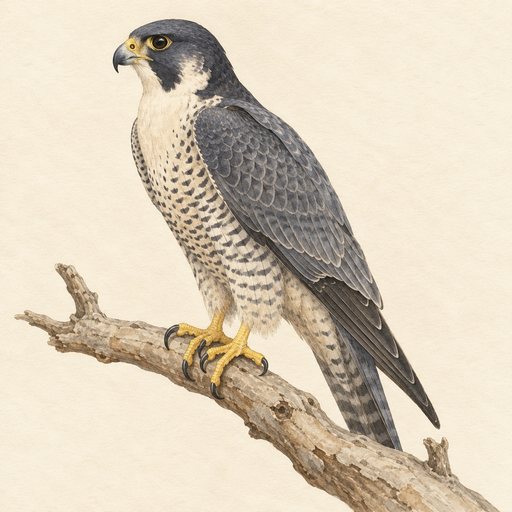 Peregrine FalconFalco peregrinusWinter visitor
Also reported nearby
more species from the last few days that we have not painted yet. Tap a name for the sighting.
Sightings come from eBird, the Cornell Lab of Ornithology's worldwide bird list, where birdwatchers share what they see. They are other people's reports from the wider Irmo area, not a count taken at the farm, and they refresh about every half hour. The pictures are watercolour illustrations, not photos.
For the birders
Keep looking up
Birding runs in our family. Growing up, David and his big brother John chased birds with their parents all over the country, through 49 states together, and it stuck.
Did you know?
Birds are dinosaurs
Not just related to them. Scientists class birds as living dinosaurs, the one twig of the family tree that made it through. The wren on your feeder sits on the same branch as Tyrannosaurus rex.
Why only the birds made it
About 66 million years ago an asteroid struck the Earth and the great dinosaurs disappeared. One small feathered group came through. Nobody knows exactly why, but being small, eating many kinds of food and being able to fly probably all helped.
Today there are more than 10,000 kinds of birds, which makes dinosaurs one of the most successful groups of animals alive.
From then to now
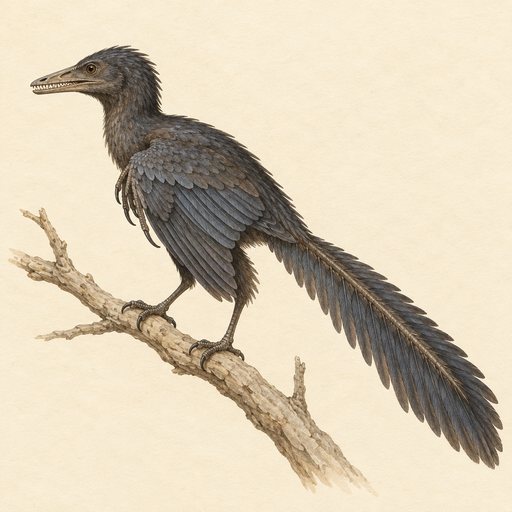 About 150 million years agoArchaeopteryxFeathered wings, but also teeth, clawed fingers and a long bony tail. Found in Germany, it is often called the earliest bird.
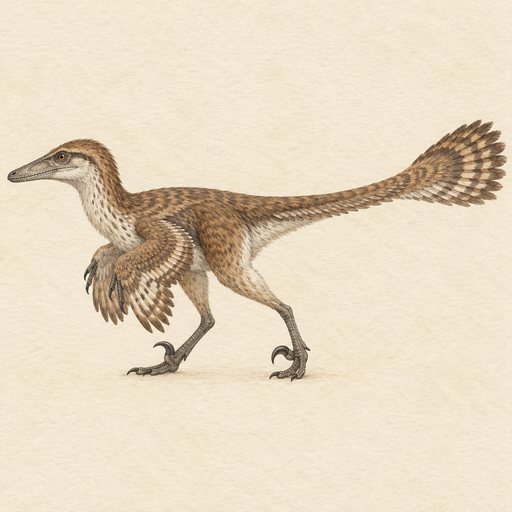 About 75 million years agoVelociraptorAbout the size of a turkey, and feathered. One fossil arm bone still shows the row of bumps where its feathers were anchored.
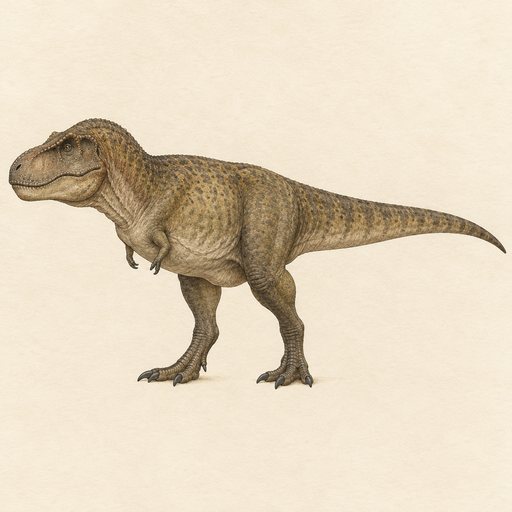 About 67 million years agoTyrannosaurus rexA cousin on the same branch of the family. It lived some 80 million years after the first birds had taken to the air.
- This morning, at your feederCarolina WrenA living dinosaur, and South Carolina's state bird. So is every other bird on this page.
Five clues you can check on any bird
- A wishboneThe wishbone you pull at Thanksgiving is two collarbones joined into one. Velociraptor had one, and so did T. rex.
- Hollow bonesThin-walled, air-filled bones keep a bird light. Meat-eating dinosaurs had them long before anything flew.
- FeathersThe first feathered dinosaur was announced in 1996 and many more have followed. Feathers came first, flight came later.
- Three-toed feetWatch a chicken or a heron walk on its three main toes. Meat-eating dinosaurs walked on three main toes too.
- Eggs in a nestUnder a microscope, the shell of a dinosaur egg is built much like the shell of a hen's egg.
Where we checked our facts. The pictures are watercolour illustrations, and nobody knows what colour these animals really were.