Farm stand open 9am – 5pm · days vary by season 10259 Broad River Rd, Irmo, SC (803) 764-7280Call
Heritage Fields FarmPicked fresh daily from our fields
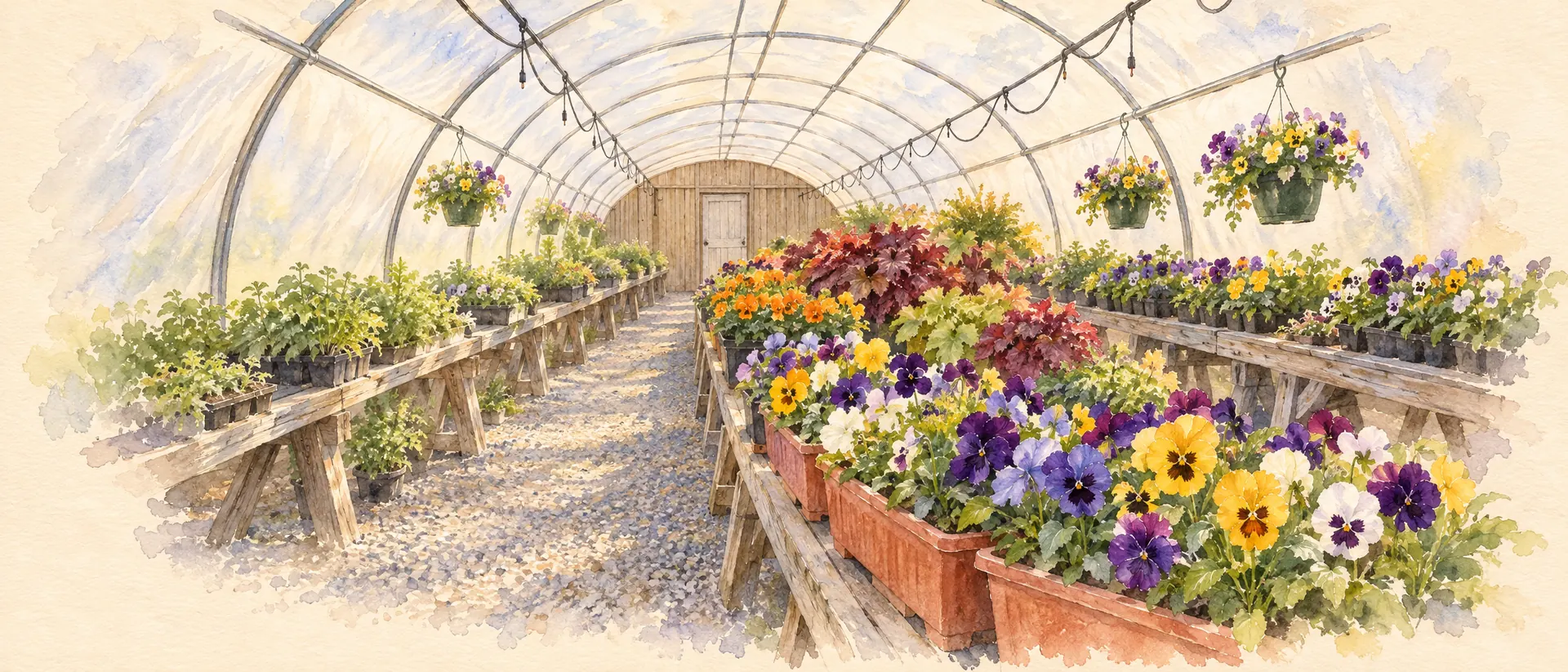
A watercolour painting of the inside of the flower greenhouse: a long row of pansies in window boxes between wooden benches, under the plastic hoops A painting of our flower greenhouse
Greenhouse Now Open

New at Heritage Fields

Flowers from David's greenhouse

There are three greenhouses in a row out back. Two are for vegetables, and the third is the flower house. What's on its benches changes with the season, so there is usually something new to see.

What's bloomingIt changesCall the stand at (803) 764-7280 and we'll tell you what's out this week.
Where to find itOut back at the farm10259 Broad River Rd, Irmo. Ask at the produce building and we'll point the way.
Before you drive outCall aheadDays and hours change with the season. See hours and directions.

From the flower house

Flowers we grow and sell

These have all been on the benches at one time or another. Not everything is here at once, so ask what's in when you come. Tap Care tips on any flower for how to look after it at home.
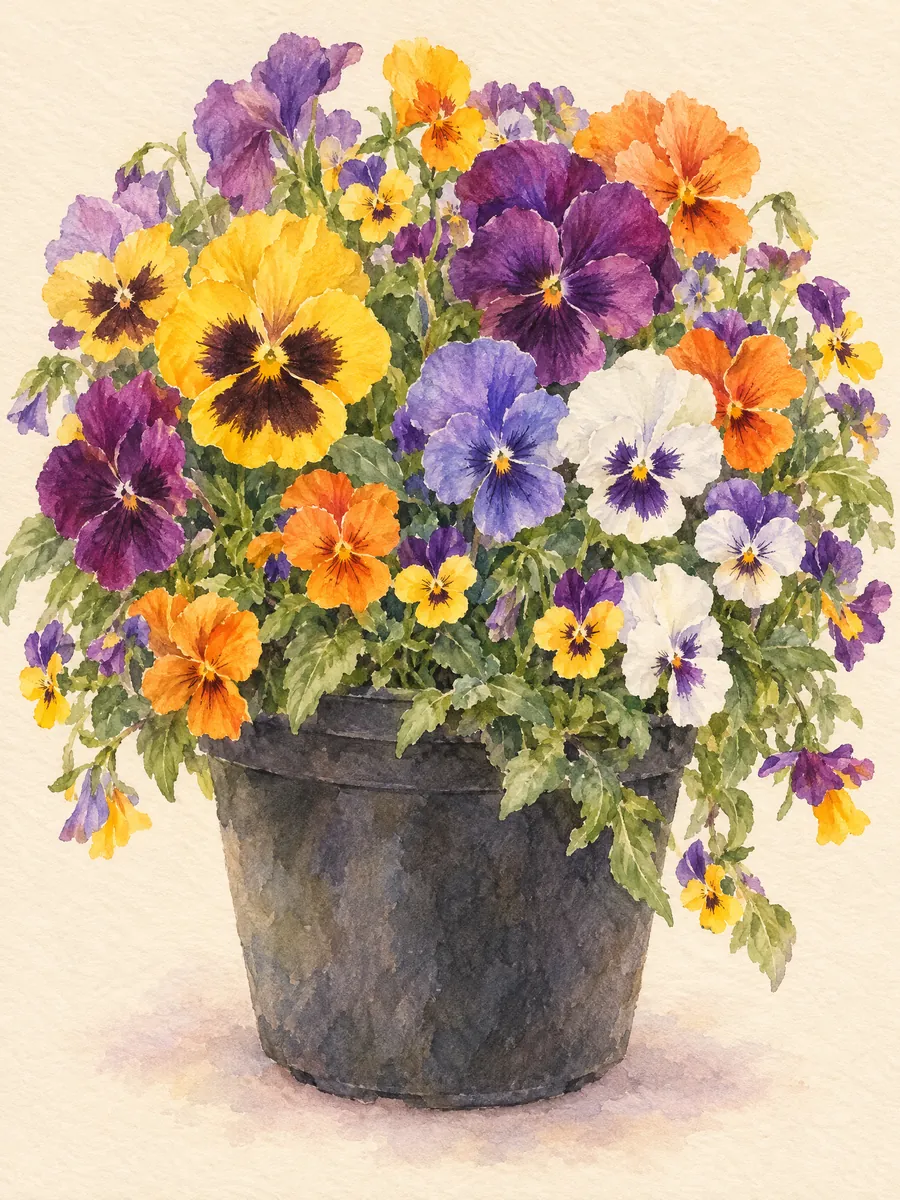
A watercolour painting of pansies and violas in a pot
Pansies & violasCool-season color in pots, hanging baskets, window boxes, flats and 4-packs.
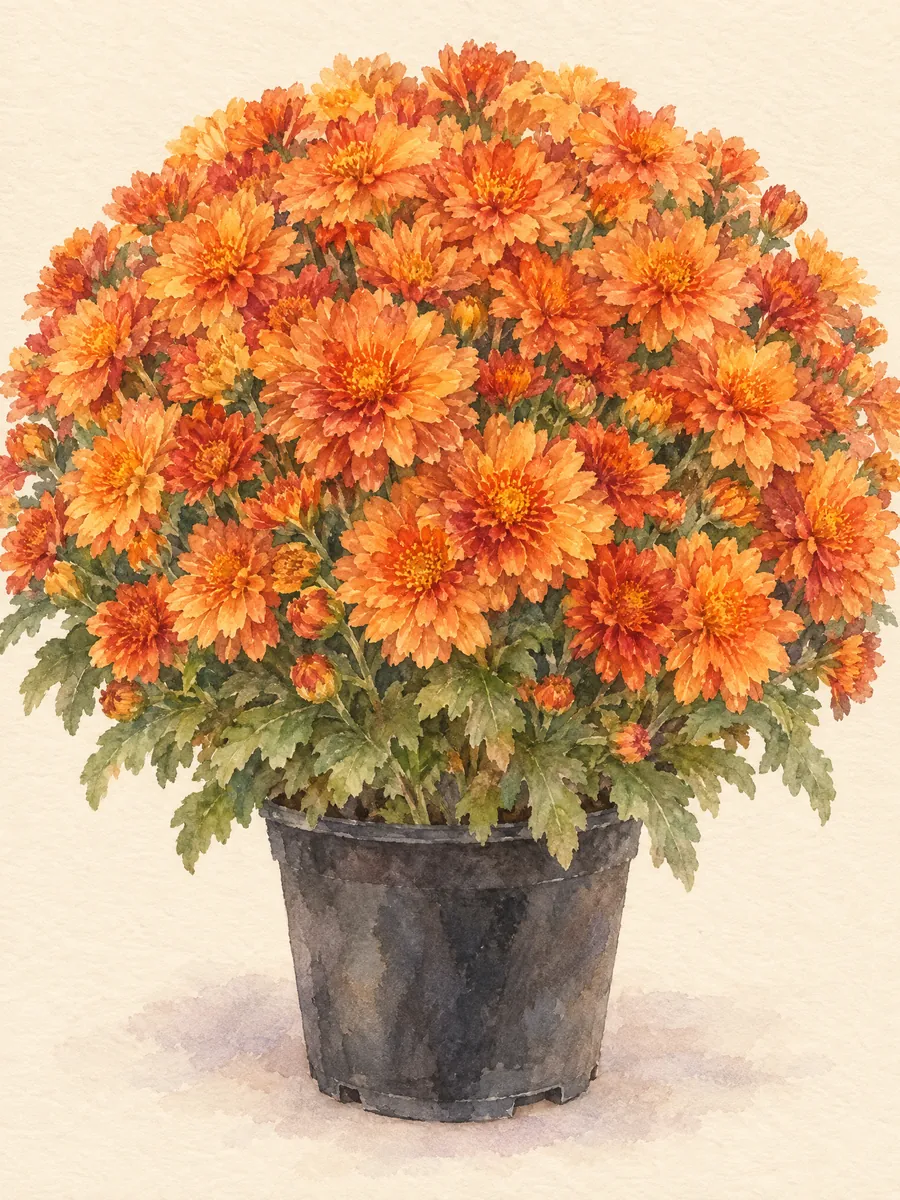
A watercolour painting of a round orange and gold mum in a pot
MumsFall mums in many sizes and colors.
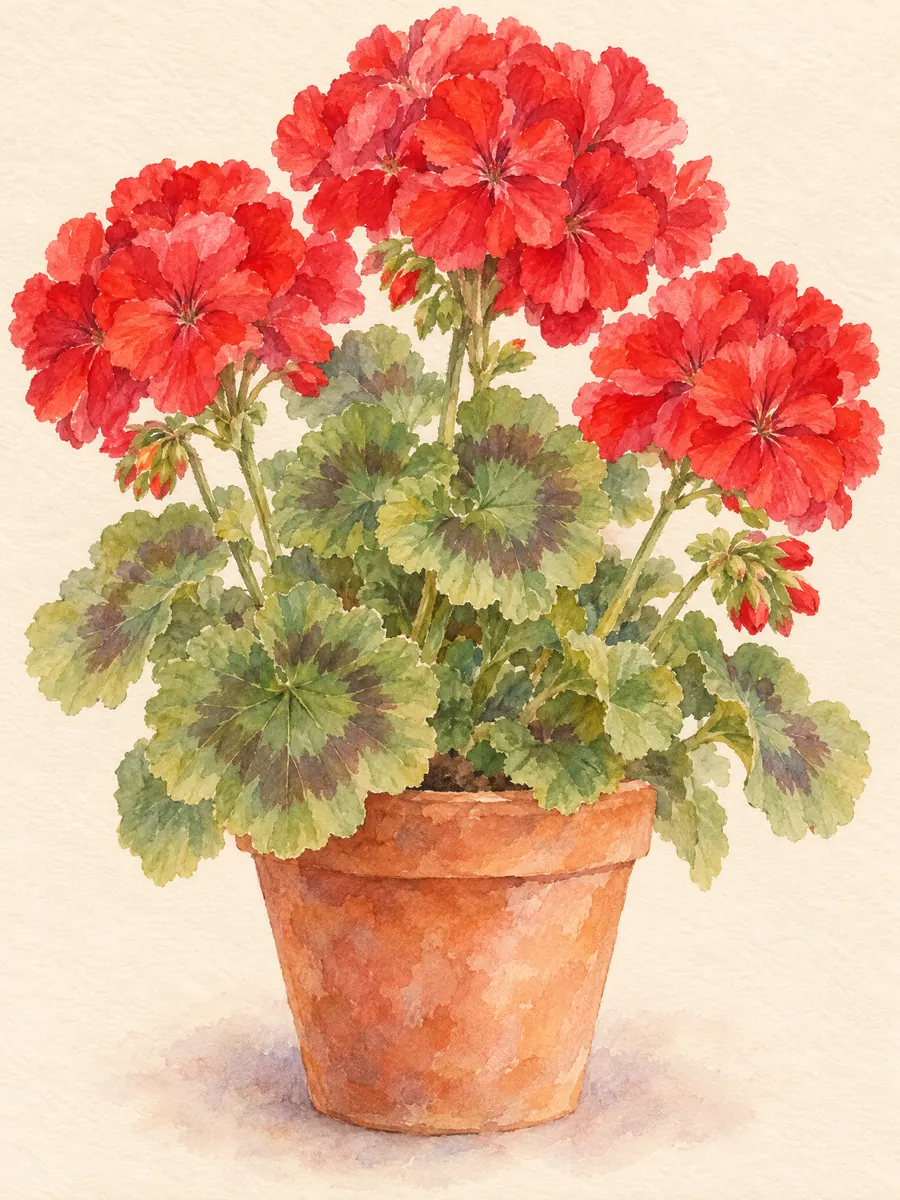
A watercolour painting of a red geranium in a clay pot
GeraniumsA favorite for porches and flower beds.
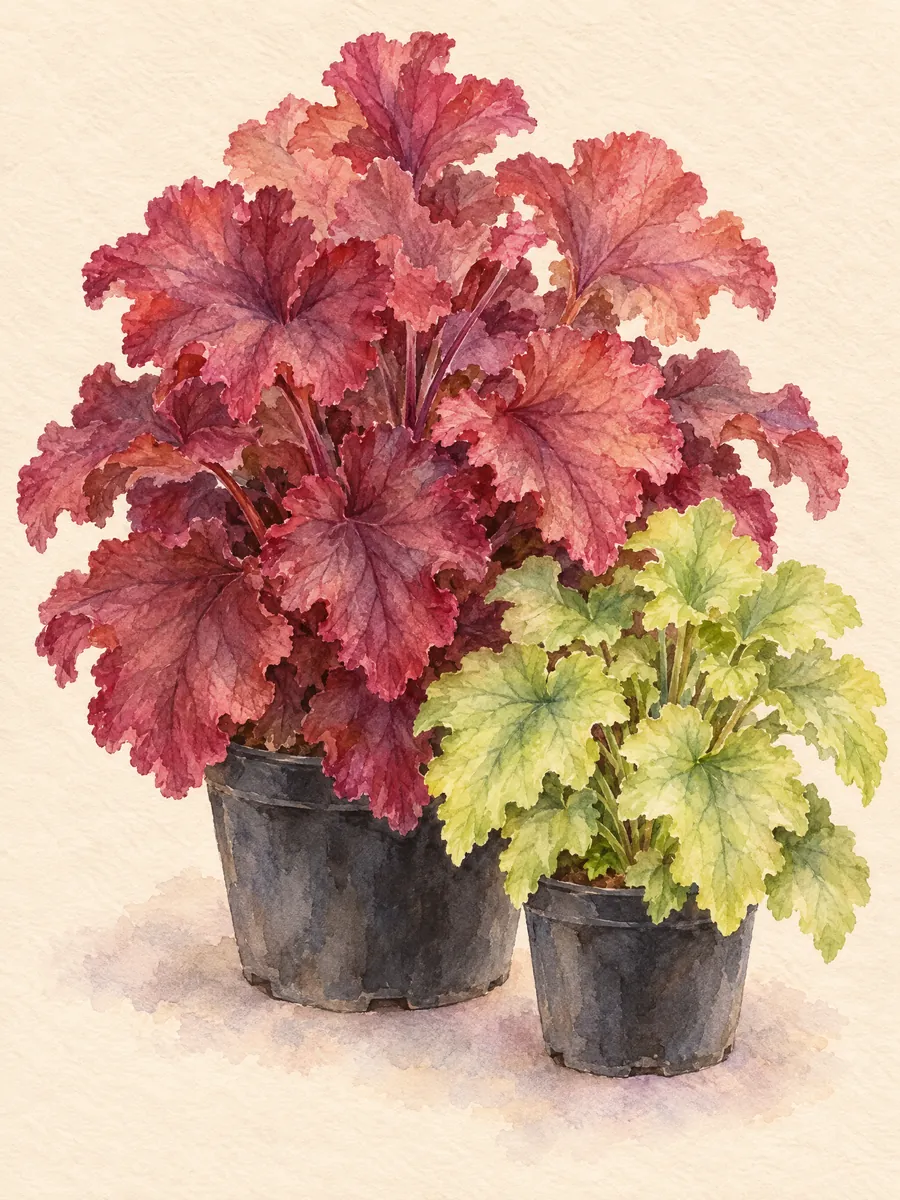
A watercolour painting of burgundy and lime green coral bells in pots
Coral bellsGrown for their leaves, in burgundy, red and lime green.
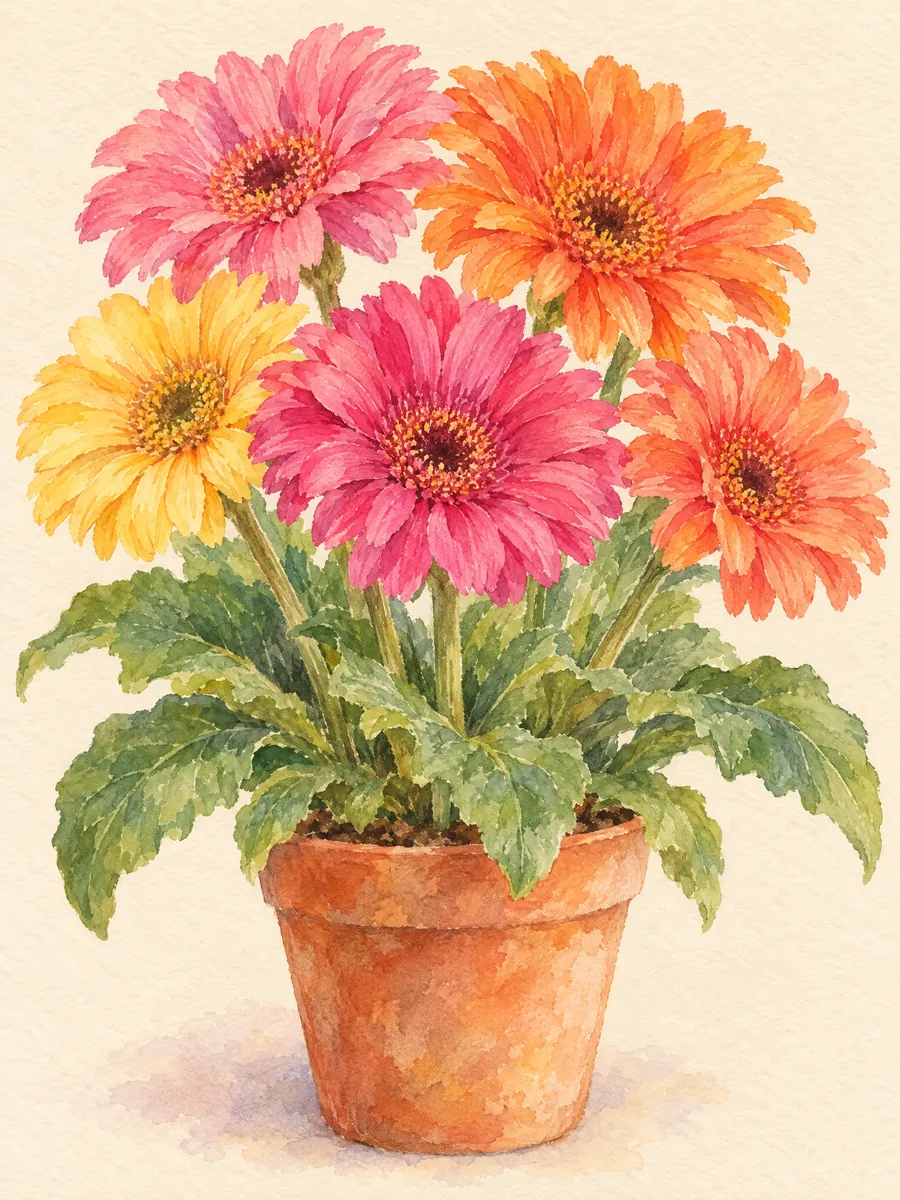
A watercolour painting of pink, orange and yellow gerbera daisies in a clay pot
Gerbera daisiesBig, bright daisies to cheer up a porch.
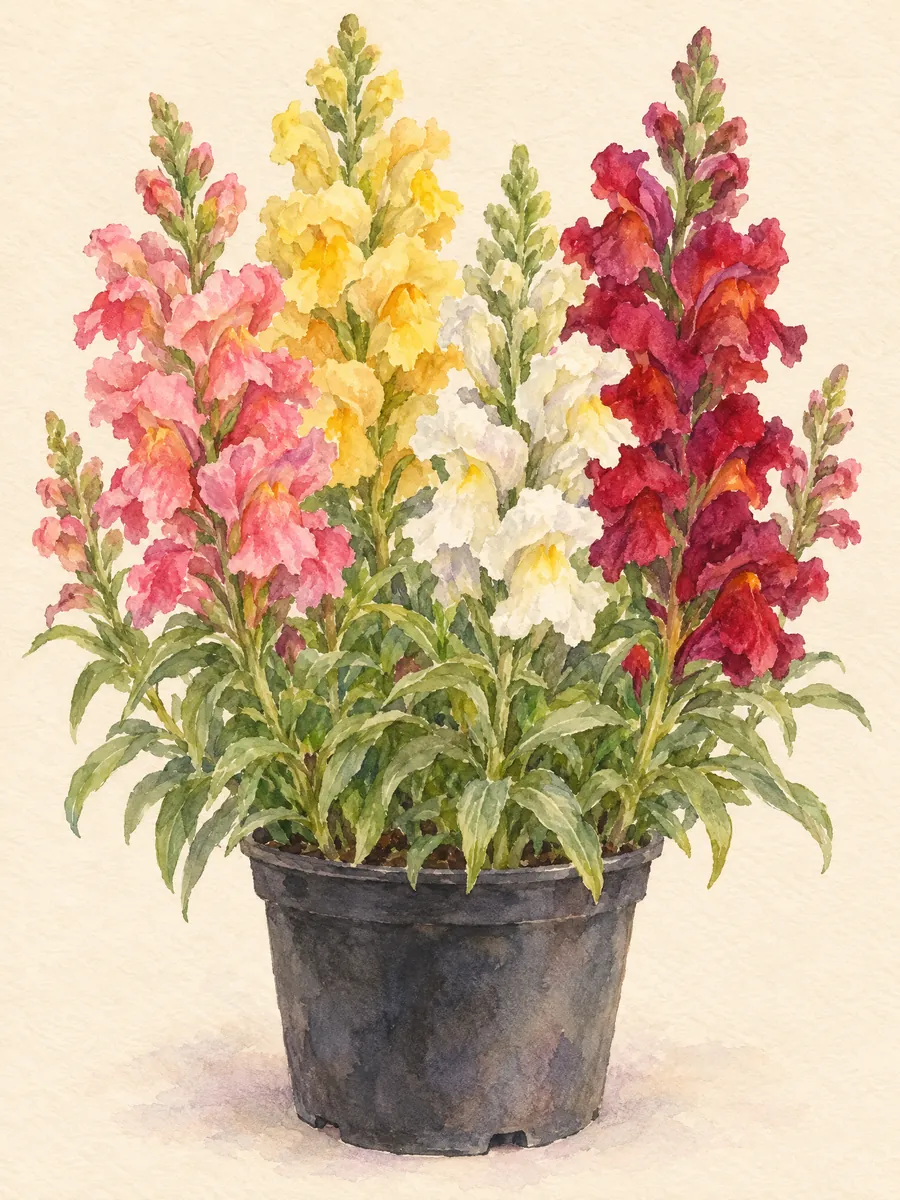
A watercolour painting of pink, yellow, white and red snapdragons in a pot
SnapdragonsTall spikes of color for the cool season.
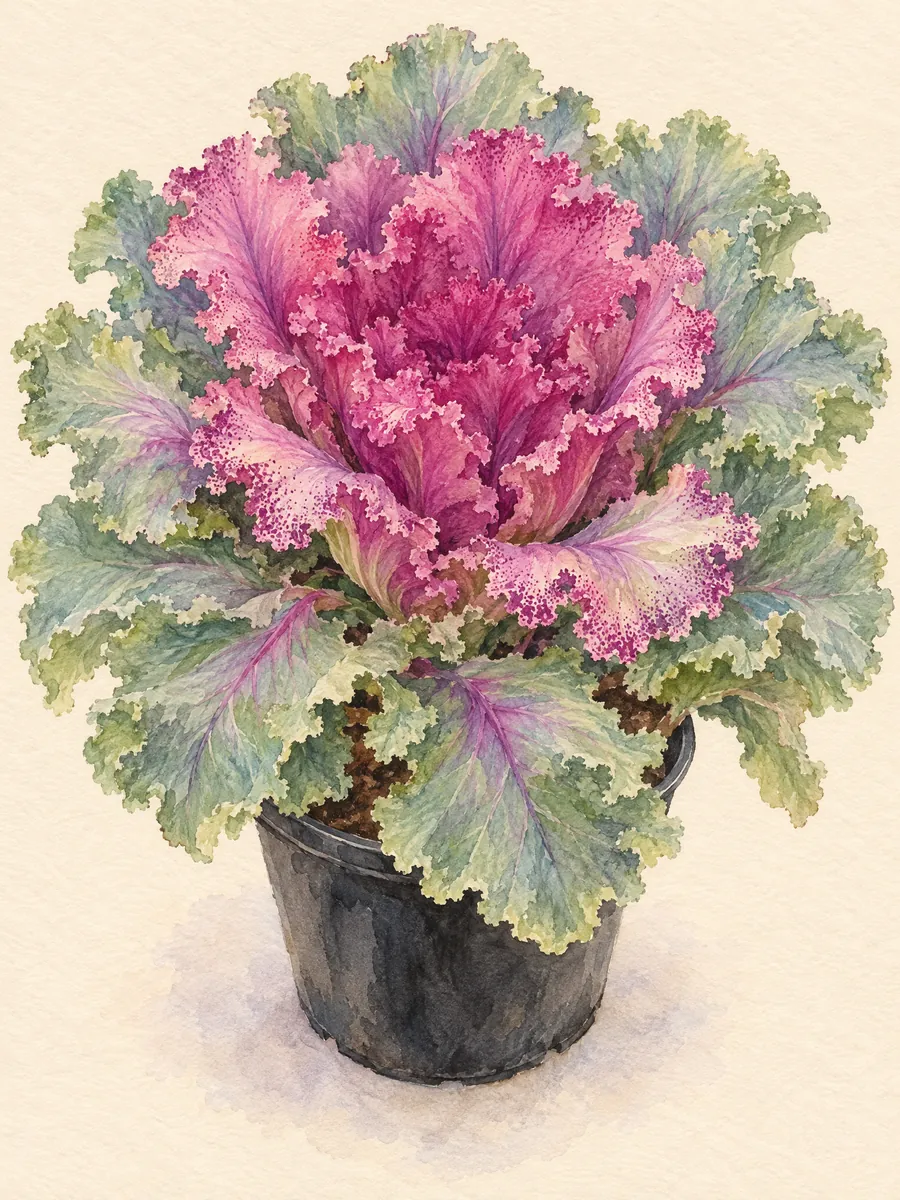
A watercolour painting of a purple and green flowering kale in a pot
Flowering kaleLoves cold weather, and colors up as it cools off.
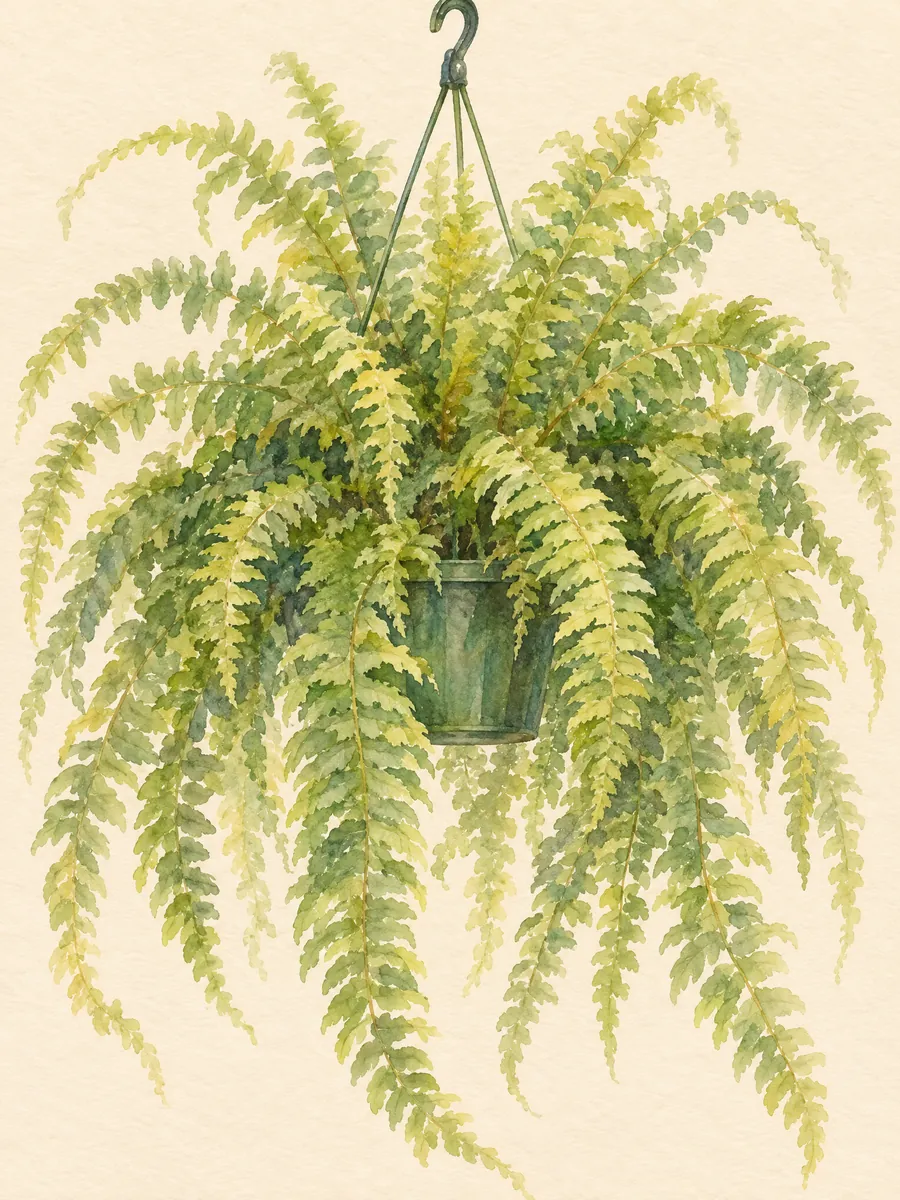
A watercolour painting of a green fern in a hanging basket
FernsHanging ferns for the porch.

The flower pictures above are paintings, to show the kind of plant. The photos below are our own.

Also seen in the greenhouses

  • Hostas
  • Sunflowers
  • Celosia
  • Butterfly bush
  • Georgia Blue veronica
  • Mullein
  • Lamb's ear
  • Hanging color baskets
  • Bedding flowers
  • Herbs
  • Snake plants
  • Aloe vera

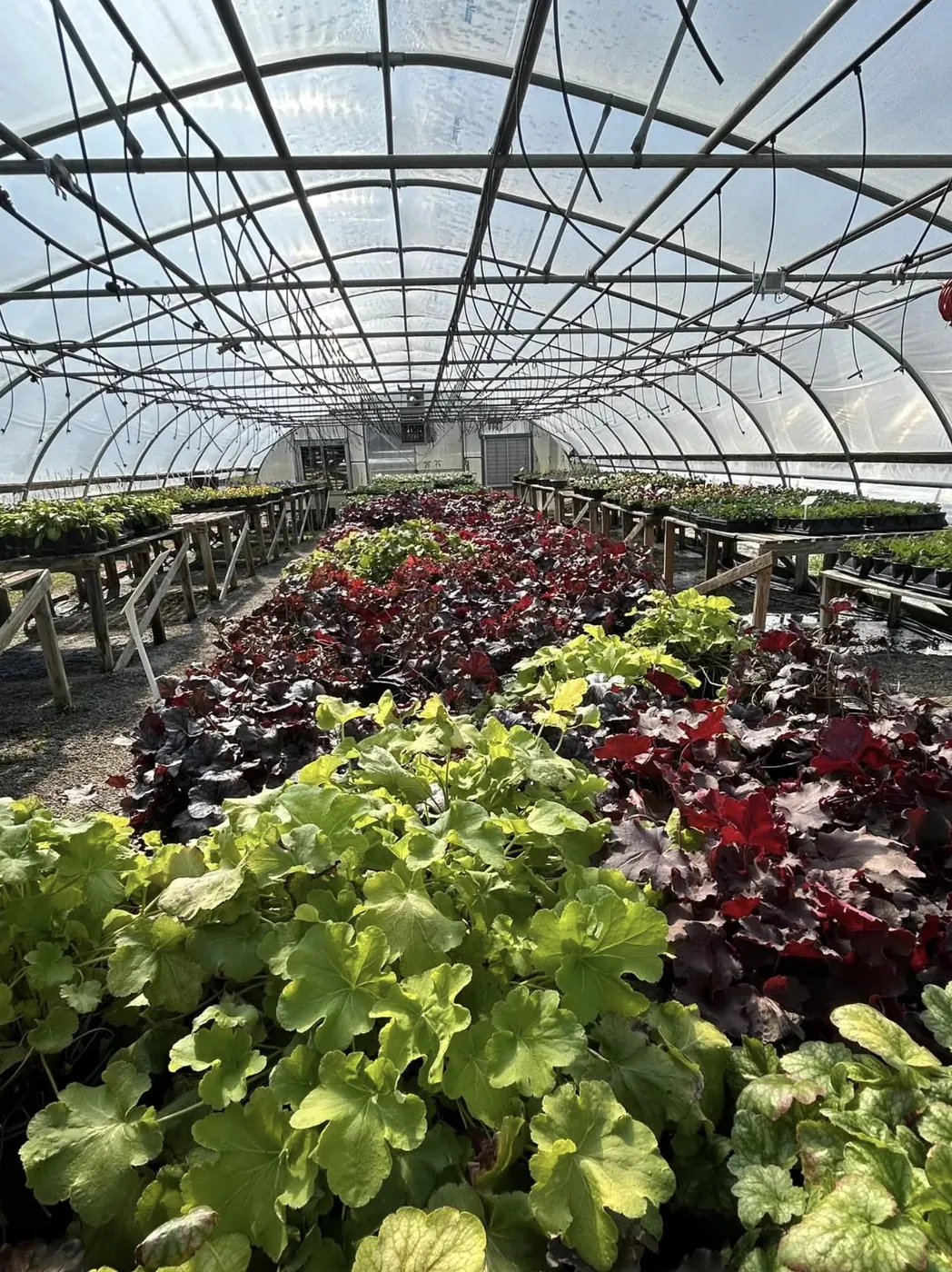
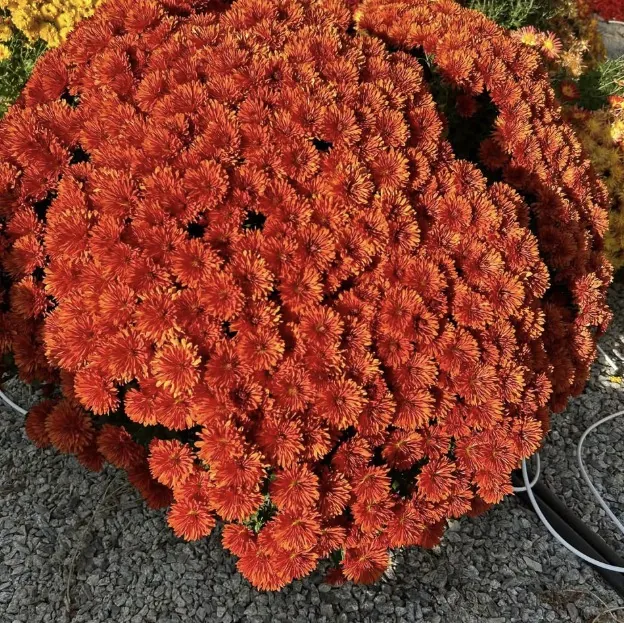
In our own photos

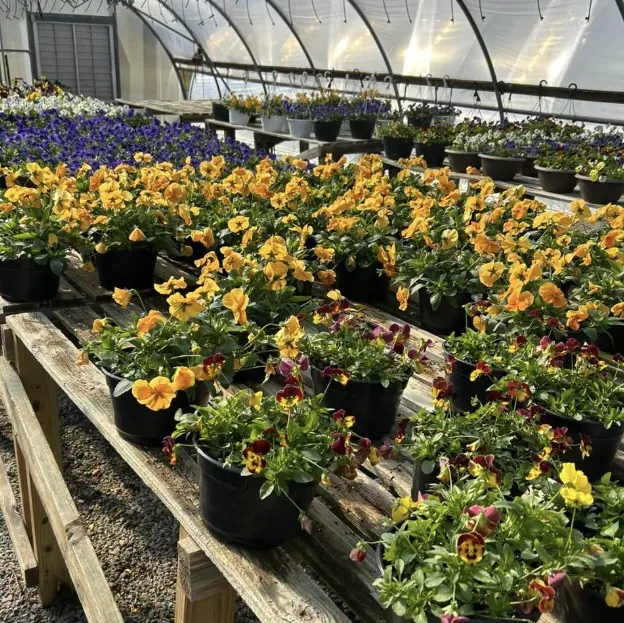
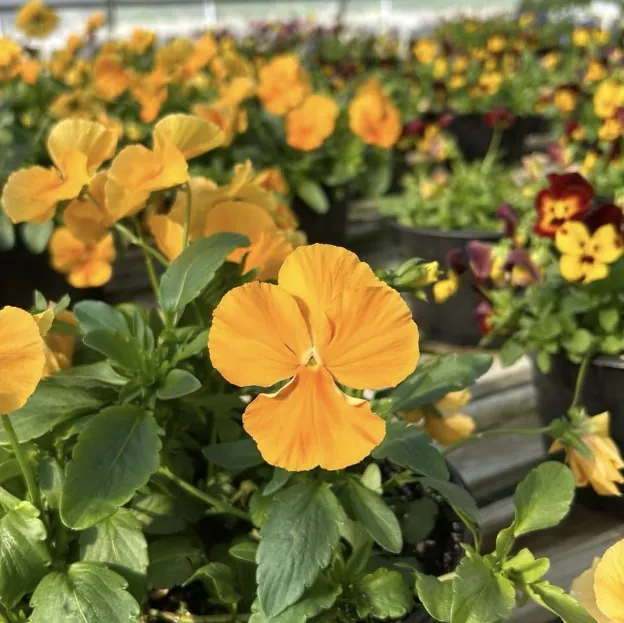
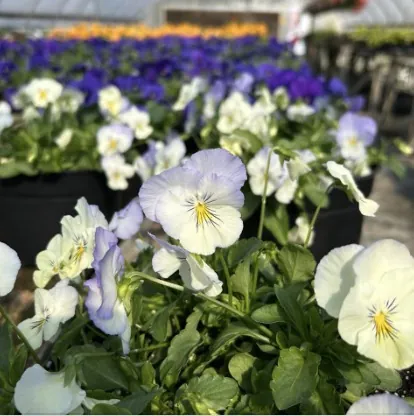
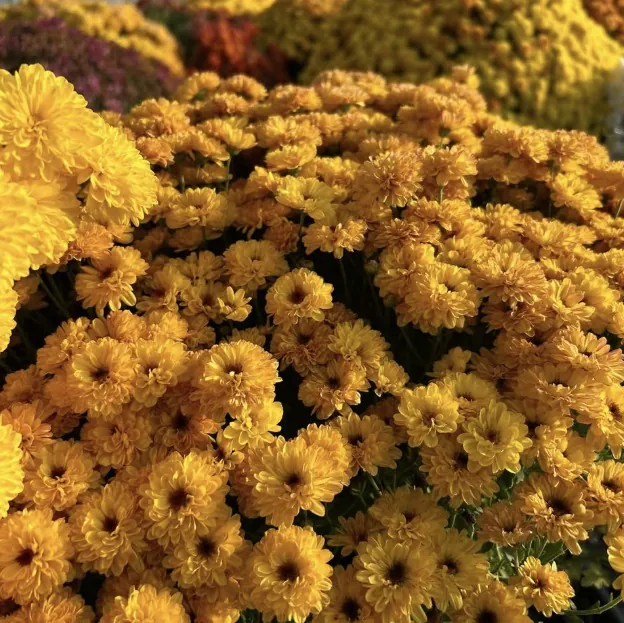
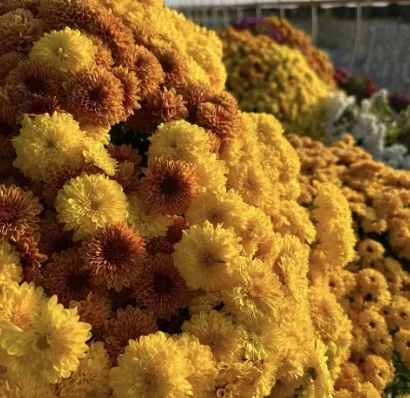
The flower house this fall.
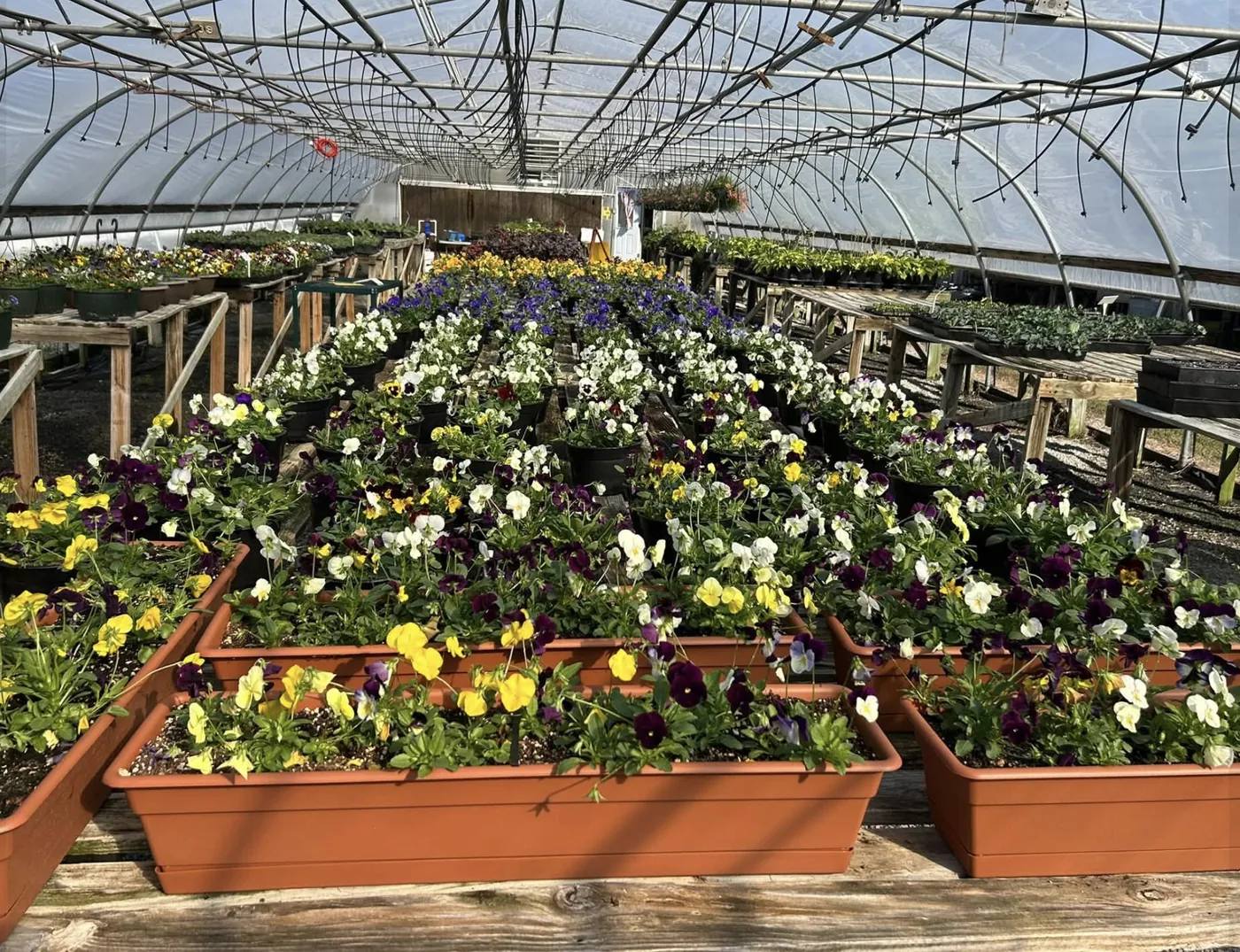
It won't all be here when you come. The photos are from our Facebook posts in October and November 2026, and plants sell out and change with the season. For this week's plants and any specials, see our Facebook page or call (803) 764-7280.

Come see what's blooming

The greenhouse is at Heritage Fields Farm, 10259 Broad River Rd in Irmo, SC. Pick up fresh produce while you're here.

Hours & directions

Pansies & violas

Cool-season annual

Plant in fall, enjoy through winter, and expect the best show in spring.

Care tips

Light
Full sun to part sun. Morning sun suits them best.
Water
About an inch a week, counting rain. Water in the morning and at the soil, not over the leaves. Pots and baskets dry out faster than beds.
Soil
Rich soil that drains well, with compost worked in. They like it slightly acidic.
Feeding
Mix a slow-release fertilizer into the soil at planting. In beds, Clemson suggests a 5-10-10 granular feed in late fall and again in early spring. In pots, a water-soluble feed every two to three weeks. Skip high-nitrogen fertilizer, which can lead to rot.
Deadheading
Pinch off faded flowers and they keep blooming longer.
Through the year here
They bloom any time it is above freezing, so they carry color through a Midlands winter. They fade when summer heat arrives, and that is the time to swap in summer flowers.
Watch for
Aphids, spider mites and slugs. Root rot and leaf spots show up in soil that stays wet.
Pets
Pansies and violas are not on the ASPCA's toxic plant lists for dogs or cats.

From Clemson HGIC: Pansies and Johnny-Jump-Ups and the ASPCA plant lists. A general guide for the Midlands of South Carolina, not a promise for every variety. If a pet eats any plant and seems unwell, call your vet.

Mums

Hardy perennial

Enjoy the fall show in the pot, then plant it out and it can come back for years.

Care tips

Light
Full sun.
Water
Thirsty plants, most of all in bloom. Don't let a potted mum wilt, and water at the base.
Soil
Fertile soil that drains well, with plenty of organic matter.
Feeding
Heavy feeders. Clemson suggests a soluble fertilizer weekly while they are growing.
Pinching
For a mum planted in the garden, pinch the tips of new growth starting when the plant is about 6 inches tall. Stop in midsummer so buds can set: Clemson gives early July for the Upstate and early August for the coast, and the Midlands falls in between.
Through the year here
Garden mums are hardy all across South Carolina. Divide the clump every year or two in spring to keep it full.
Watch for
Aphids, thrips and spider mites.
Pets
Toxic to dogs and cats, according to the ASPCA. Keep them out of reach of pets that chew plants.

From Clemson HGIC: How to Grow Garden Mums in South Carolina and the ASPCA plant lists. A general guide for the Midlands of South Carolina, not a promise for every variety. If a pet eats any plant and seems unwell, call your vet.

Geraniums

Tender, grown as an annual

Sun, good drainage and a little drying out between waterings keep them blooming.

Care tips

Light
At least four hours of direct sun a day. In our summer heat, a few hours of midday shade helps.
Water
Water well, then let the soil dry out before you water again.
Soil
Well-drained soil. In pots, make sure the water can run out the bottom.
Feeding
Every four to six weeks through the growing season. Clemson suggests a 10-20-10 fertilizer or similar in beds, and a water-soluble feed for follow-ups and pots.
Deadheading
Snap off spent flower heads to keep new ones coming, and pinch the tips for a fuller plant.
Through the year here
Frost kills them. Plant outside after the danger of frost has passed and the soil has warmed. Before the first fall frost, take cuttings or bring the pots indoors to a bright window.
Watch for
Aphids, caterpillars, mites and whiteflies. Gray mold and leaf spots in wet weather, and blistered leaves from too much water.
Pets
Toxic to dogs and cats, according to the ASPCA.

From Clemson HGIC: Annual Geranium and the ASPCA plant lists. A general guide for the Midlands of South Carolina, not a promise for every variety. If a pet eats any plant and seems unwell, call your vet.

Coral bells

Shade perennial

Grown for the leaves. Morning sun, afternoon shade and soil that drains.

Care tips

Light
Part shade. In the South they do best with morning sun and afternoon shade.
Water
Water weekly when it is hot and dry. A mulch of pine straw, leaves or bark helps hold moisture.
Soil
Soil that drains well, improved with compost. They do not put up with heavy, wet ground.
Feeding
Light feeders. Compost, or a light slow-release fertilizer in spring, is usually plenty.
Trimming
Pull off tattered leaves in late winter and cut down the flower stalks once they finish.
Through the year here
A perennial that comes back each year. Our summer heat is harder on it than our winters, and kinds bred for heat, such as 'Caramel' and 'Citronelle', hold up best. They also do well in large pots.
Watch for
Few pests. Rot at the crown in soggy soil is the usual trouble.
Pets
Not toxic to dogs or cats, according to the ASPCA.

From Clemson HGIC: Heuchera, Coral Bells and the ASPCA plant lists. A general guide for the Midlands of South Carolina, not a promise for every variety. If a pet eats any plant and seems unwell, call your vet.

Gerbera daisies

Tender perennial

Morning sun, a dry crown and regular feeding keep the big daisies coming.

Care tips

Light
Morning sun and afternoon shade.
Water
Water at the soil, not over the top, and let the crown dry out between waterings.
Soil
Well-drained soil rich in organic matter. Set the crown of the plant at soil level or just above it, never buried.
Feeding
A controlled-release fertilizer two or three times in the growing season, or a liquid feed every two weeks. One that includes micronutrients is a good choice.
Deadheading
Cut spent blooms off with their stems, down low, to bring on more flowers.
Through the year here
They bloom from late spring into fall. In zone 8 they may come back if you mulch them and protect them from freezes, but many people grow them as annuals or bring the pots in.
Watch for
Whiteflies, aphids, thrips and spider mites. Gray mold and powdery mildew when leaves stay wet.
Pets
Not toxic to dogs or cats, according to the ASPCA.

From Clemson HGIC: Gerbera Daisy and the ASPCA plant lists. A general guide for the Midlands of South Carolina, not a promise for every variety. If a pet eats any plant and seems unwell, call your vet.

Snapdragons

Cool-season annual

A cool-weather flower here: happiest in fall and spring, and it slows down in summer heat.

Care tips

Light
Full sun.
Water
Keep the soil evenly moist but not soggy, and water at the base.
Soil
Soil that drains well, with compost mixed in.
Feeding
A slow-release fertilizer at planting, or a balanced liquid feed every few weeks while they grow and bloom.
Deadheading
Cut off finished flower spikes to bring on new ones. Pinching young plants makes them bushier.
Through the year here
They take light frost. Cover them when a hard freeze is forecast. Expect the best bloom in spring, and less once the hot weather settles in.
Watch for
Aphids, and rust, which shows as brown spots under the leaves.
Pets
Not toxic to dogs or cats, according to the ASPCA.

General growing notes, with the pets line from the ASPCA plant lists. A general guide for the Midlands of South Carolina, not a promise for every variety. If a pet eats any plant and seems unwell, call your vet.

Flowering kale

Cool-season annual

Grown for its leaves. Cold weather is what brings out the color.

Care tips

Light
Full sun.
Water
Keep the soil evenly moist.
Soil
Fertile soil that drains well.
Feeding
Feed at planting, then go light. Heavy feeding later on can mean greener leaves and less color.
Trimming
Pull off lower leaves as they yellow.
Through the year here
The color deepens as the nights turn cold, and the plants hold up through frost. When spring warms up they stretch and go to flower, and that is the time to pull them.
Watch for
Cabbage worms and other caterpillars, and aphids.
Pets
Not on the ASPCA's toxic plant lists for dogs or cats. These are grown for looks, not for the table.

General growing notes, with the pets line from the ASPCA plant lists. A general guide for the Midlands of South Carolina, not a promise for every variety. If a pet eats any plant and seems unwell, call your vet.

Ferns

Hanging-basket fern

These notes fit the usual porch ferns, such as Boston ferns. Ask us which kind you are taking home.

Care tips

Light
Bright shade or filtered light. Keep them out of hot afternoon sun.
Water
Keep the soil evenly moist. A hanging basket can need water every day in summer.
Soil
A potting mix that holds moisture but still drains.
Feeding
Light feeders. A diluted liquid fertilizer about once a month in spring and summer, and none in winter.
Trimming
Cut brown fronds off at the base.
Through the year here
Boston ferns cannot take frost. Bring the basket indoors before the first one, to a bright spot away from heating vents. Some leaf drop indoors is normal.
Watch for
Scale, mealybugs and spider mites, mostly once the plant is indoors.
Pets
Boston ferns are not toxic to dogs or cats, according to the ASPCA. Asparagus fern, which is not a true fern, is toxic to both.

General growing notes, with the pets line from the ASPCA plant lists. A general guide for the Midlands of South Carolina, not a promise for every variety. If a pet eats any plant and seems unwell, call your vet.